Physical Address
304 North Cardinal St.
Dorchester Center, MA 02124
Physical Address
304 North Cardinal St.
Dorchester Center, MA 02124
from Alejandro Lazo and Yue Stella YuCalMatters
This story was originally published by CalMatters. Sign up for their newsletters.
In the face of the nation’s highest gasoline prices, California lawmakers approved a bill to ease restrictions on E85 conversion kits — devices that allow conventional gasoline cars to run on a cheaper, mostly ethanol fuel blend.
Assembly bill 2046, called the Affordable Gas Access Act by its author, Assemblyman Rhodesia RansomD-Stockton, passed the Assembly on a 59-0 vote without debate or opposition.
The measure is the latest example of Sacramento lawmakers struggling to address gas costs that have soared amid the Iran-Israel war that has rocked global oil markets and pushed California pump prices above $6 a gallon. It now heads to the California State Senate and will need the approval of Governor Gavin Newsom before it becomes law.
“Californians consistently pay more at the gas station than drivers from other states, and gas prices are rising again across the state,” Ransom said on the Assembly floor Thursday. “For commuters and working families, (the proposal) offers a practical way to save money.”
If approved as it stands, the measure would exempt manufacturers of E85 conversion kits from an approval process by the state’s main climate regulator, the California Air Resources Board, which requires companies to demonstrate that the devices do not increase vehicle emissions. The bill would leave a separate federal certification process run by the Environmental Protection Agency.
“Members in Sacramento are looking for ways to try to reduce costs — or appear to reduce the cost of driving — and this is a way to do it,” said Aaron Smith, an economist and fuel expert at UC Berkeley.
The converter kits, which cost between $800 and $1,250, according to a legislative analysis of the billwill allow drivers to convert their cars to run on both gasoline and E85 fuel.
E85 is a mixture of up to 85% ethanol and 15% gasoline; the proportion of ethanol is usually between 55% and 85%, said Smith, the Berkeley expert.
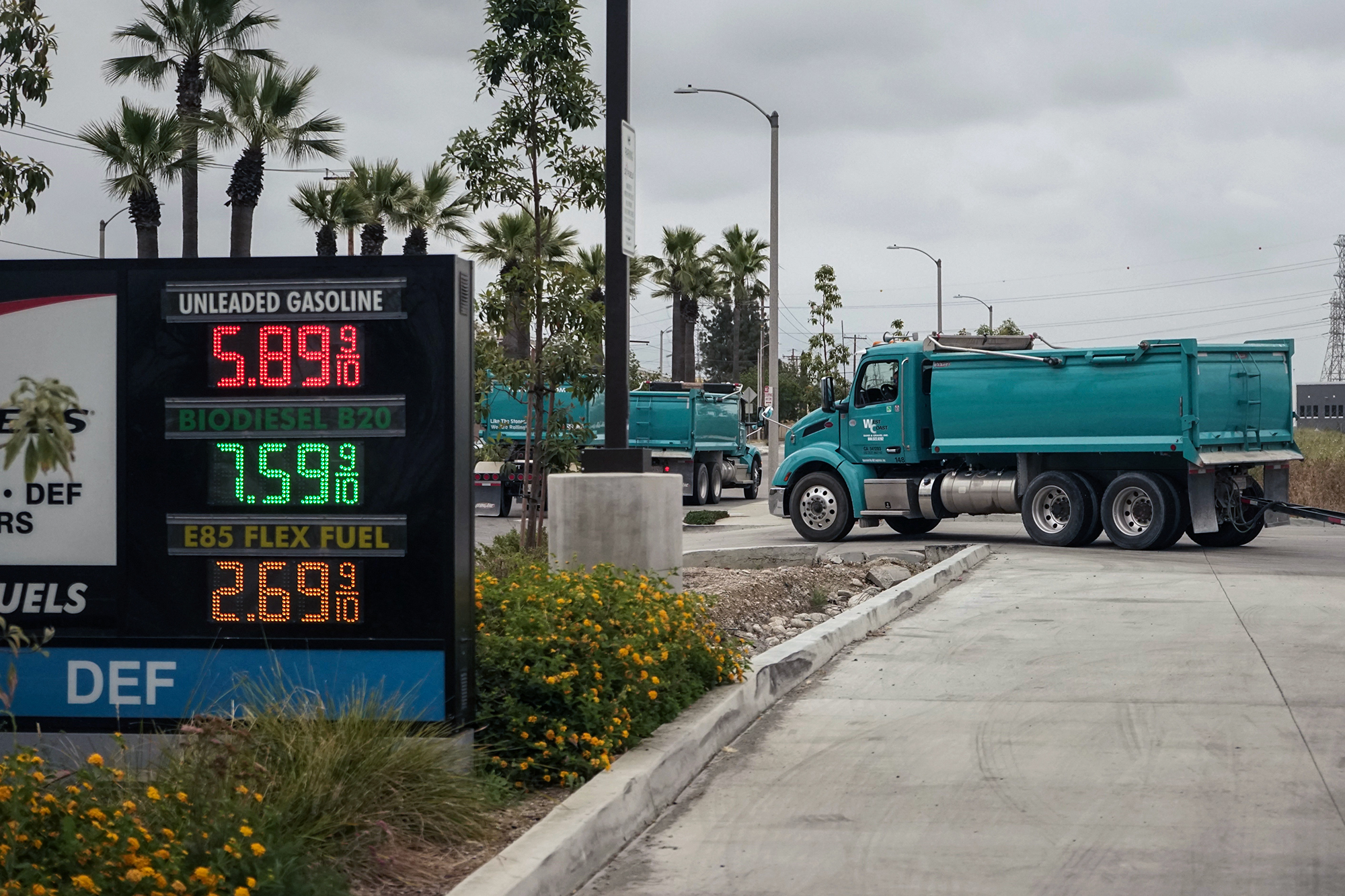
Jeff Wilkerson, government affairs manager for Pearson Fuels, the state’s largest supplier of E85 fuel and a supporter of the bill, said E85 — much of which is made from Midwestern corn — is largely insulated from overseas oil shocks that drive California gasoline prices. The ethanol blend sold for $2 or more less per gallon than gasoline during the recent price spikes.
While E85 is generally less expensive than gasoline and can reduce oil dependence and carbon emissions, it provides 20% to 30% fewer miles per gallon. according to the air boardmeaning drivers save money only when the price of E85 is at least 20% to 30% lower than the price of gasoline.
For 1.3 million cars in California can currently use the fuel, which is sold at about 640 stations in the state — just 3 percent of the state’s more than 15,000 gas stations, according to the bill’s analysis.
Ransom said more E85 pumps will be built if the state loosens restrictions and encourages demand for the fuel blend. She emphasized that her bill would introduce E85 as an alternative.
“For some people it may not be a wise choice, but at least now it will be a choice,” she said.
From an environmental perspective, the fuel is rated as cleaner than regular gasoline under the California Low Carbon Fuel Standard. But this assessment has critics. Smith, the Berkeley economist, said the benefits of ethanol are probably overstated. Official numbers likely underestimate emissions from land use, as growing demand for ethanol from corn pushes farmers to clear forested land.
The state’s own certification registry offers a cautionary tale. Lindsey Buckley, a spokeswoman for the board, said the agency received only five applications by E85 conversion kit companies since 2008, and that none have passed the certification process designed to ensure that modified vehicles still meet their original emissions standards. Supporters of the proposal say the board moves slowly and its regulations are onerous.
But loosening that standard carries its own risk, warned Aaron Kurtz, senior counsel for the Assembly Transportation Committee, especially now.
Because the federal government has removed scientific expertise from regulatory decisions, he wrote in his analysis, “this committee must consider whether the state should cede authority over an inherent scientific process and establish a precedent for devolving approval authority to the federal government.”
This article was originally published on CalMatters and is republished under Creative Commons Attribution-NonCommercial-No Derivatives license.