Physical Address
304 North Cardinal St.
Dorchester Center, MA 02124
Physical Address
304 North Cardinal St.
Dorchester Center, MA 02124
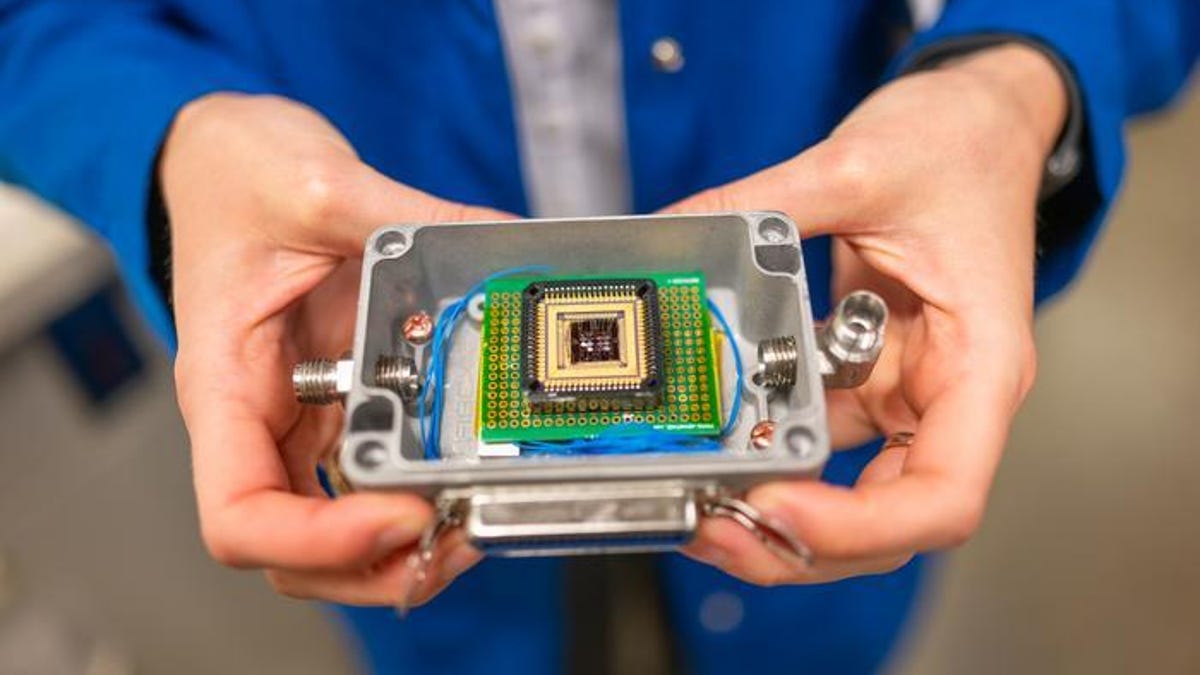
A new “electronic nose” developed at the University of California, Berkeley, may not look like a real nose, but this device excels at key tasks, including sniffing out spoiled foods and identifying allergens with impressive accuracy.
The device has 16 built-in gas sensors, which help convert chemical reactions from food into electronic signals.
A UC Berkeley study found that the device identified walnuts and cashews 100% of the time, hazelnuts 91.96% of the time, and peanuts 80.65% of the time. The researchers reported that the greatest confusion from the e-nose “arised between the VOCs in hazelnuts and peanuts, suggesting some overlap between nut odors or co-dominant compounds that elicit a similar sensing response.” This means that the device may sometimes confuse the two nuts due to similar chemical odors.
If this technology can be expanded to include more food groups, it could be a major advance in food allergy detection, as more 33 million Americans suffer from at least one food allergy. However, the study was conducted on nuts individually rather than mixed with other foods, so it is unclear how accurate the results are in real-world conditions.
In addition to sniffing out common food allergens, the researchers also trained the model to detect spoiled foods. Overall, the electronic nose achieved 92.6% accuracy in detecting allergens and food spoilage in the study.
“I think ‘smart’ refrigerators, which come with sensors that you can control on your phone, will be a great application for this type of technology,” said lead study author Carla Basil, a doctoral student in electrical engineering and computer science at Berkeley. In a statement. “How great would it be if your refrigerator could tell you: ‘Hey, your broccoli will go bad soon, so you should probably eat it’? Or ‘Your chicken is on its last day’?”
The researchers’ next goal is to add more sensors to help the device recognize more odors, whether that’s additional food spoilage or allergens.