Physical Address
304 North Cardinal St.
Dorchester Center, MA 02124
Physical Address
304 North Cardinal St.
Dorchester Center, MA 02124
from Levi Sumagasai and Carolyn JonesCalMatters
This story was originally published by CalMatters. Sign up for their newsletters.
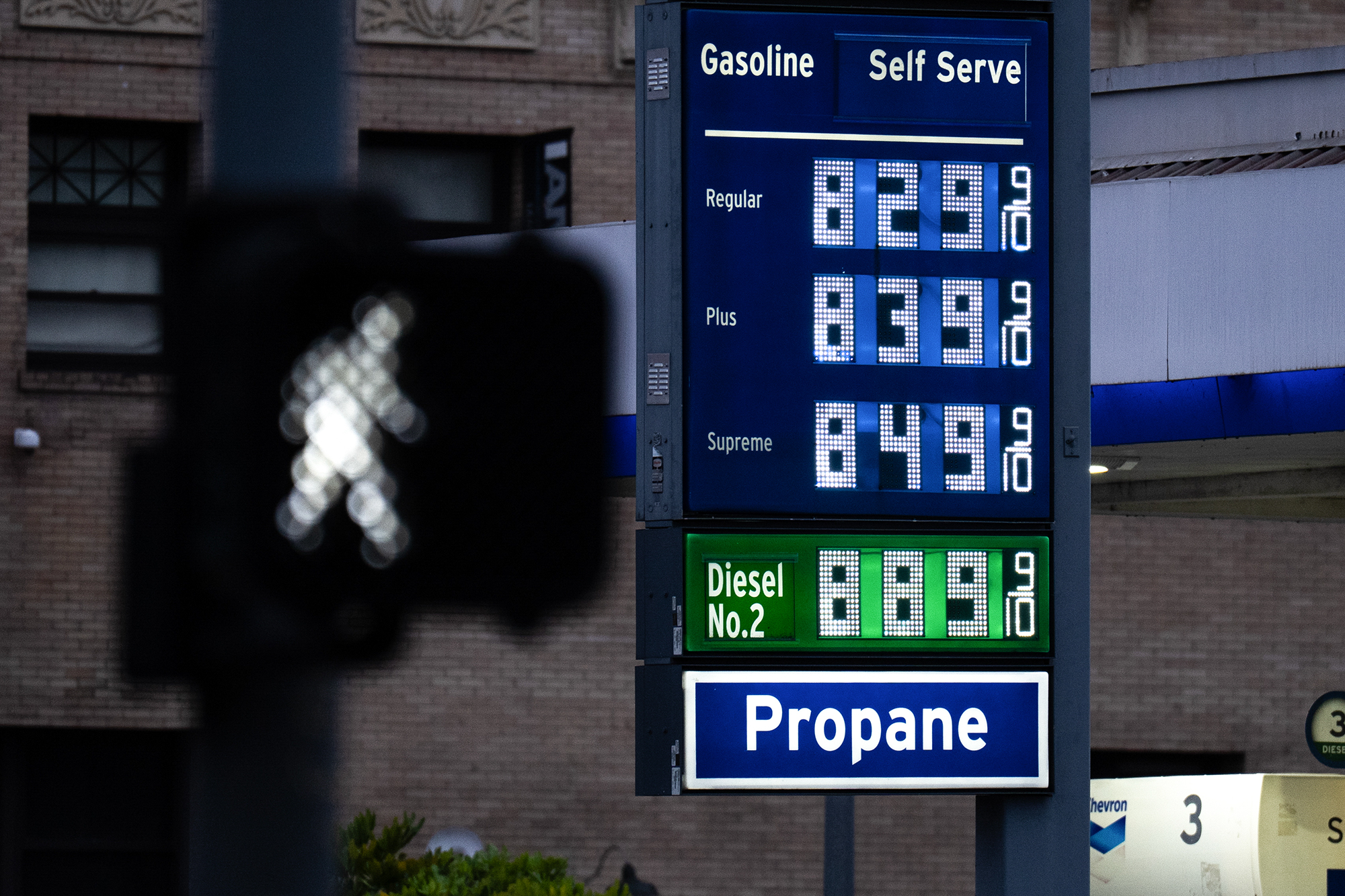
As California drivers pay the highest gas prices across the nation, local and state agencies are facing increased fuel costs due to the US-Israeli war in Iran that began in late February.
Gov. Gavin Newsom pointed to higher energy costs as just one of many effects of Trump administration policies weighing on the state despite a stronger-than-expected financial outlook in the adjusted budget he introduced on Thursday.
“The impact (of the war) in this country is obvious,” the governor said.
Agencies such as the California Highway Patrol and Caltrans, and school districts across the state are tightening their belts as a result. State finance department prepares for additional effects; in his budget summary, he said he expected higher energy prices to fuel broader inflation and “reduce real purchasing power while tariffs they are still expected to continue raising costs for business and consumers.”
“It’s not just about higher oil prices as a stand-alone percentage or price per barrel — it’s about how the effects of these price increases play out across the economy,” HD Palmer, a department spokesman, said in an email. For example, he mentioned higher prices being passed on to consumers due to the agricultural industry fertilizer prices have risen due to the closure of the Strait of Hormuz.
Rising fuel prices have hit rural schools hard, where school buses can travel more than 100 miles a day and district budgets don’t have much room for extra spending. In Siskiyou County, diesel rose to $7 a gallon.
“The impact was significant,” said Siskiyou County Superintendent Alan Carver. “It’s literally taking money away from programs that benefit children and families. It’s that simple.”

Schools rely on gas and diesel to get kids to and from school, transport sports teams to games and deliver supplies throughout the county, which spans 6,347 square miles. Almost nothing is a short drive away. When Yreka High’s volleyball team plays its rival, Modoc High, it’s a six-hour round trip halfway across the state.
“We’re doing what we can to save money, but there’s only so much we can do,” Carver said. “When we start making our budgets for next year, it’s definitely something we have to take into account.”
For the CHP, whose vehicles include patrol cars, motorcycles and helicopters, average fuel costs per gallon have risen nearly 46 percent since the war began, according to spokesman Jaime Coffey. The agency has adjusted costs for other projects to cover the increased costs.
Caltrans, whose fleet includes everything from passenger vehicles to heavy-duty trucks, has seen about a 44 percent increase in fuel costs since the start of the war, with diesel costs accounting for a significant portion, spokesman Chris Clark said. The department’s fuel costs were $3.9 million in February, $4.6 million in March and $5.7 million in April. The agency has “absorbed” the increase and has not requested additional funding, Clark said.
This article was originally published on CalMatters and is republished under Creative Commons Attribution-NonCommercial-No Derivatives license.