Physical Address
304 North Cardinal St.
Dorchester Center, MA 02124
Physical Address
304 North Cardinal St.
Dorchester Center, MA 02124
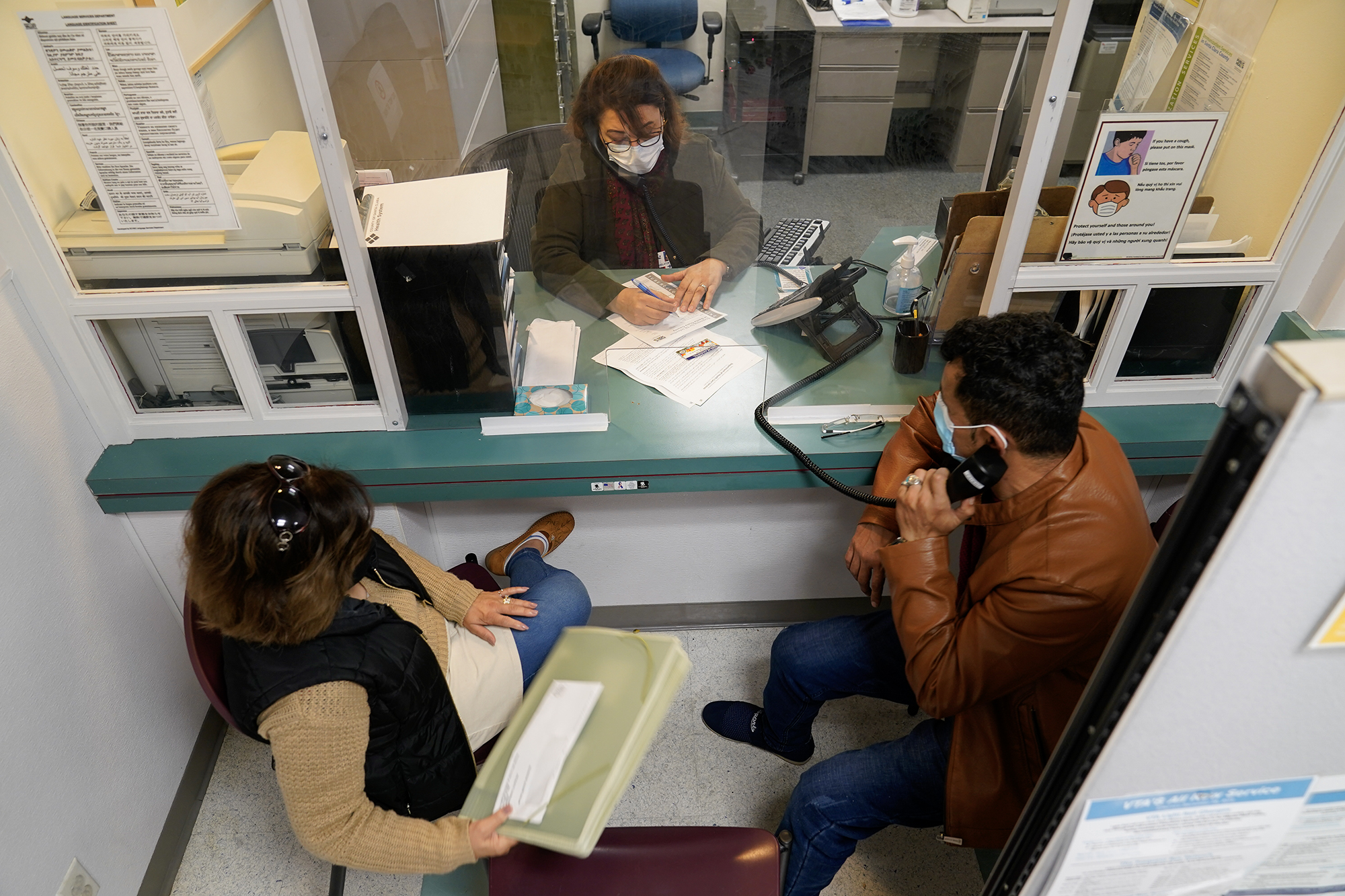
from Ana B. IbarraCalMatters
This story was originally published by CalMatters. Sign up for their newsletters.
Lawmakers this week approved a health tax bill designed to continue critical federal funding for the state’s Medicaid program, also known as Medi-Cal. Their approval comes despite warnings from health industry leaders that the tax, as designed, would raise premiums for privately insured Californians.
The new federal rules force the state to restructure its managed care organization tax, or MCO tax, which the state collects from health insurance plans that coordinate care for their members. California charges Medi-Cal insurance plans a higher rate than private plans. The state’s newly developed solution, Senate Bill 125would lower the tax on Medi-Cal plans and raise the tax on private plans to the same level. If finalized by the governor and passed by the federal government, the new plan would shift more of the cost to people who buy private insurance but bring in less income overall.
Senate President Pro Tem Monique LemonDemocrat from Santa Barbara, told reporters earlier this week that there is no perfect plan to overhaul the tax and that the Senate still has concerns, but the proposal they voted on is one that will bring in money quickly.
“We as a Senate have been very clear that we need revenue … it was a matter of making a decision that we could pull off given what was happening at the federal level,” Limon said.
As part of the tax-and-spend law passed by Congress last summer, the federal government imposed new limits on provider taxes, including those imposed on health plans. Under existing rules, California received nearly $8 billion a year from this tax; the new restrictions mean the state will get billions less. The Legislature’s plan attempts to fill at least some of that gap.
The plan does not directly raise health insurance premiums. Instead, it imposed a higher tax on private plans that said they would pass the cost on to consumers.
The proposal requires all health plans, both public and private, to pay a monthly rate of $8.85 per enrollee — a total cost of about $1.5 billion a year for private plans. If health plans pass the entire tax on to their members, Californians can see an increase of about 1.5%. in their monthly premiums, according to the independent Legislative Analyst’s Office. This is on top of annual premium rates increase that people see year after year.
The California Health Plan Association, the health insurance lobby, estimates that would result in consumers paying about $100 more in premiums each year. That means a family of four can expect $400 more per year in health premiums.
Charles Buckeyassociation president, said health plans include taxes and fees in the administrative portion of premiums. “It’s just actuarial science,” he said. “So when you increase taxes on health plans and insurers, it’s built into the premium rates and the customer pays for it.”
The Legislature’s plan largely mirrors what Gov. Gavin Newsom and his Finance Department proposed last month. Bacchi argued that the state could have imposed a lower tax to lessen the impact on plans and consumers.
The Treasury Department said it tried to balance affordability for privately insured patients with generating enough revenue to keep the safety net afloat amid federal funding cuts. The department settled on the $8.85 a month estimate because that rate would generate $2.3 billion a year — roughly the amount the state has generated before 2023 to support Medi-Cal, said H.D. Palmer, a Treasury spokesman.
Of that total, $2 billion will support existing Medi-Cal services, while roughly $300 million will fund pre-established rate increases for providers providing primary, maternal and mental health care to enrollees, Palmer said.
Some lawmakers continued to express concerns by the end of the week. Senator Aquila Weber PearsonDemocrat from San Diego, said he found the tax plan “extremely problematic” while questioning the administration during a hearing Wednesday. “I am very uncomfortable with this proposal and the economic burden it will have on the families that I serve as a senator but also as a physician.” She voted for the measure on Thursday.
Bacchi’s organization, along with physician groups and the California Hospital Association, urged lawmakers to reject the tax proposal as is.
“What makes this vote particularly disappointing is that California leaders continue to talk about affordability as a top priority,” the health plans said in a statement after the Assembly approved the measure. “It’s hard to reconcile those statements with a vote that will raise health insurance premiums for the people politicians say they’re trying to help.”
Industry leaders also argued that the tax measure runs counter to the Proposition 35which voters passed in 2024 and which limits the taxes levied on private health plans. Proposition 35 also requires that much of the revenue be used to expand Medi-Cal services and increase provider rates, rather than offsetting general fund costs for the program.
“Raising health insurance premiums to help balance the state budget is just robbing Peter to pay Paul,” said Dr. Renee Bravo, president of the California Medical Association, which represents doctors in the state. “This will only make it harder for families to maintain coverage and get the care they need.”
California is overhauling its MCO tax to comply with new federal rules put in place through HR 1, the spending plan approved by Congress last year. California currently charges Medicaid plans, which are reimbursed jointly by the state and the federal government, a significantly higher tax than private plans. The state then uses the revenue from that tax to draw down matching federal funds.
The Trump administration claims states “exploitation” this funding mechanism, effectively directing their share of Medicaid costs to the federal government. Critics of the tax describe its “net effect” this way: Insurers remain financially healthy, federal Medicaid spending increases, and states cut their own spending.
To close what federal officials call a “loophole,” the Centers for Medicare and Medicaid Services issued a final rule earlier this year, barring states from taxing Medicaid plans more than commercial plans. Now that the Legislature has approved California’s revised MCO tax plan, Newsom must sign the measure so the state can seek approval for it from the federal government.
Consumer advocates say keeping MCO tax revenue high is key to continuing the Medi-Cal program. But if the state knows that insurers will shift costs to private customers through higher premiums, California lawmakers must ensure that money stays in the health system and improves care.
“What we don’t find acceptable is for individual health care consumers to pay increased premiums to support the MCO tax and then have that money simply fill the general fund,” said Kiran Savage-Sangwanexecutive director of the California Pan-Ethnic Health Network.
Because the Legislature’s plan resembles the governor’s proposal, budget experts expect Newsom to sign it as part of the larger budget package. One major hurdle remains, however: federal approval. The Trump administration must approve the state’s revised tax plan for California to continue drawing federal funds.
It’s the lawmakers’ job to craft a proposal that complies with the new federal rules, said Adriana Ramos-Yamamoto, senior policy fellow at the California Center on Budget and Policy.
But, she added, “this is no guarantee that the federal government will approve our new tax proposal for MCOs.”
Supported by the California Health Care Foundation (CHCF), which works to ensure that people have access to the care they need, when they need it, at a cost they can afford. Visit www.chcf.org to learn more.
This article was originally published on CalMatters and is republished under Creative Commons Attribution-NonCommercial-No Derivatives license.


