Physical Address
304 North Cardinal St.
Dorchester Center, MA 02124
Physical Address
304 North Cardinal St.
Dorchester Center, MA 02124
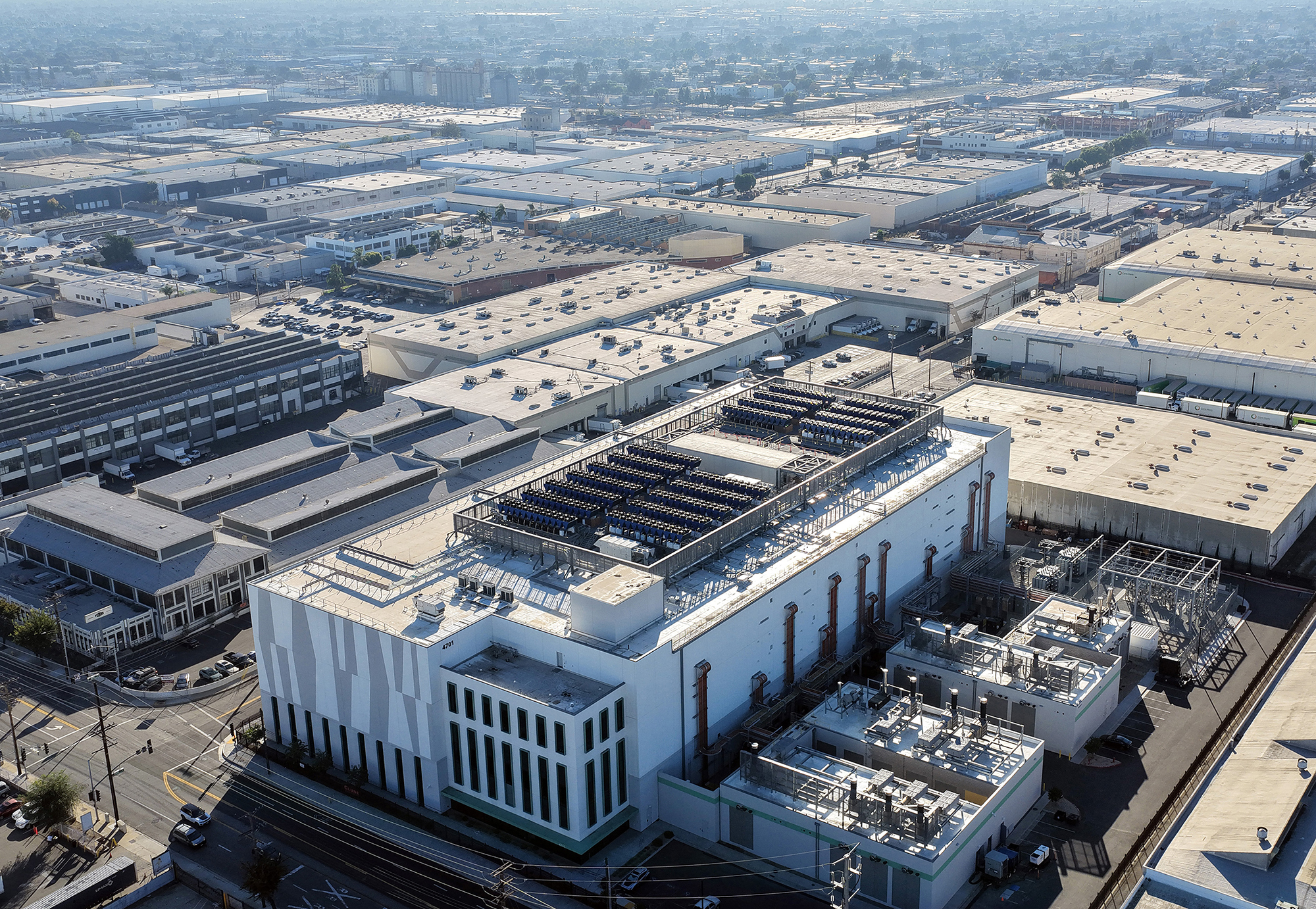
from Alejandro LazoCalMatters
This story was originally published by CalMatters. Sign up for their newsletters.
If you’re worried about data centers and AI driving up your electric bill, you’re not alone.
A California watchdog released a report on Tuesday urging policymakers to act quickly on the state’s booming data center industry — before a spike in artificial intelligence electricity demand hits ordinary household bills.
“The costs that data centers impose on the electric grid should be paid by the centers themselves, not by ordinary California families who are already struggling with high utility bills,” said Pedro Nava, chairman of the Little Hoover Commission, the independent bipartisan body that produced the report.
The commission outlined more than a dozen recommendations to manage the industry’s impact on the electric grid, electricity prices and the state’s climate goals.
The report comes at a critical time as lawmakers in Sacramento prepare a new round of proposals aimed at regulating the fast-growing industry.
Similar efforts last year — including proposals to require more transparency about energy use and to protect ratepayers from the costs of grid upgrades — stuck in the legislature after opposition from the technology industry and business groups.
At the center of the debate is the sheer scale of the electricity demand expected from data centers. Pacific Gas & Electric, the state’s largest utility, told regulators last year that energy-hungry data center projects could add about 10 gigawatts of electricity demand over the next decade — roughly four times the generating capacity of the Diablo Canyon nuclear plant. For context, the Sacramento region uses just over 3 gigawatts of electricity at peak times.
State energy planners accept that many planned data center projects will never be built or will operate below full capacity. That’s because companies can offer large data centers without committing to building them, while AI computing and cooling needs change rapidly. But the commission’s report says California still needs a clearer picture of where that load will land.
The report recommends requiring confidential facility-level reporting of data center electricity use so that regulators can better forecast demand, identify where there is room on the grid for new projects, and understand local reliability and environmental impact.
Even a fraction of that projected demand could require billions of dollars in new grid infrastructure — and consumer advocates warn that the upgrades could shift the costs onto households.
The report says large data centers should pay the full cost of the infrastructure and network services they need. It recommends a special category of electricity tariffs for extremely large electricity users, which would require upfront payments for grid infrastructure, contributions to bushfire safety costs and commitments to pay a share of the energy capacity they want.
“Data center growth has as much potential to drive up electricity prices as it does to drive down prices if not done right,” said Mark Toney, executive director of The Utility Reform Network.
“The recommendations presented by the Little Hoover Commission are one hundred percent aligned with the priorities of the Assembly,” said Assemblyman Coty Petrie NorrisDemocrat from Irvine, who chairs her House Energy and Utilities Committee. “We are working expeditiously to pass a package of bills that will protect Californians from any rate increases and ensure that data centers pay their fair share.”
Data centers also put a strain on California’s climate goals.
The researchers say that electricity use and carbon emissions from facilities have risen sharply as AI has expanded.
The report warns that backup diesel generators in data centers add to local air pollution concerns and that the facilities can place significant demands on local water supplies.
It recommends limiting pollution from backup generators, promoting cleaner backup power and requiring better reporting so regulators can track the environmental footprint of large facilities.
This article was originally published on CalMatters and is republished under Creative Commons Attribution-NonCommercial-No Derivatives license.


