Physical Address
304 North Cardinal St.
Dorchester Center, MA 02124
Physical Address
304 North Cardinal St.
Dorchester Center, MA 02124
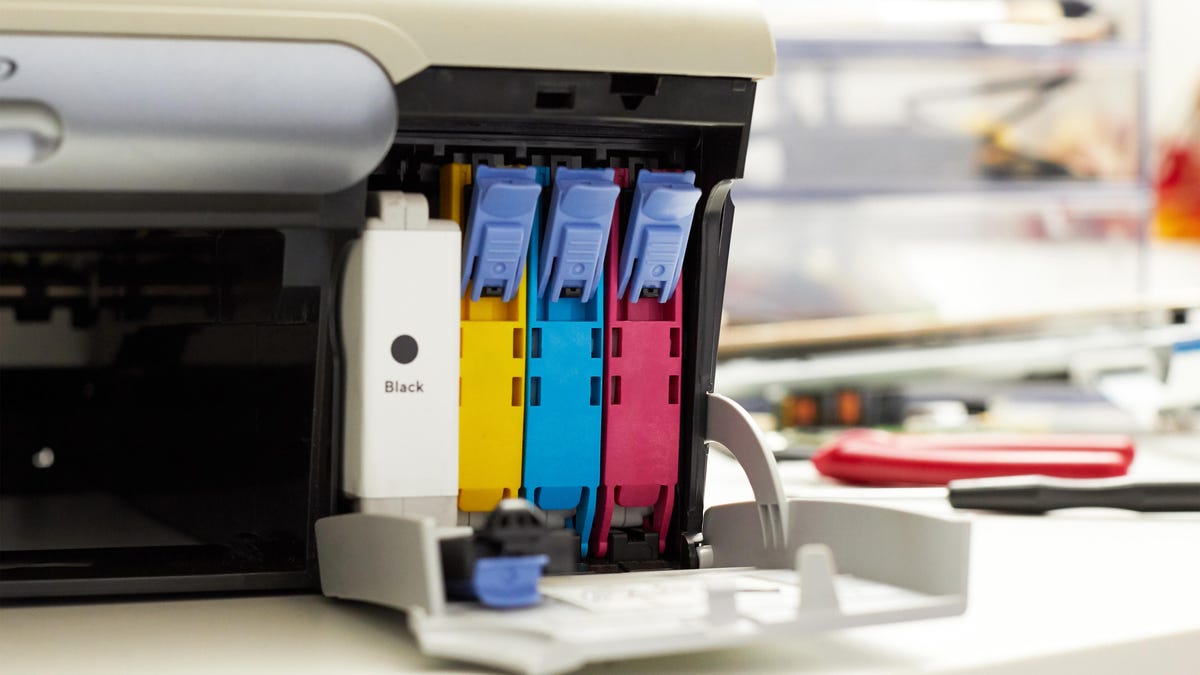
It’s easy to find an inexpensive inkjet printer. What’s not cheap is the replacement ink. You may be shocked to learn that replacing ink cartridges can cost as much, if not more, than the printer itself. This is because printers are often sold at a loss, as the company expects to make its profits from ink. This strategy, also known as the “razor and blades model,” is common in consumer goods, including printers, coffee makers (those that use disposable pods), and the razor blades of the same name.
However, printer manufacturers claim that there are several reasons behind the high cost of ink, beyond revenue. Here are the main reasons behind the high price of printer ink.
The razor-and-blade business model provides a continuous revenue stream for printer makers after a customer purchases the devices. It also locks that customer into the ecosystem. Just as some razor handles are only compatible with a specific blade, printers only support specific ink or ink cartridges. Manufacturers usually offer different models of printers, but they may use different, non-interchangeable cartridges. The cartridges are also not refillable by design. Although it may seem manipulative, this business model is a legal and common practice. They also keep prices high due to lack of competition.
Another way consumers are locked into a closed ecosystem is that many ink cartridges contain chips that communicate with the printer, such as how much ink is remaining, so the printer can estimate how many pages it can print, for example. They also check if the cartridge is original (as in the printer manufacturer) or refilled. In either case, the printer may reject the cartridge. While some third-party suppliers have found ways around this issue, printer cartridges are proprietary, and are the intellectual property of the original manufacturer. Customers usually have limited replacement options other than purchasing from the printer’s original equipment manufacturer.
It’s not about the cost of research and manufacturing, or at least, not just that. Printer makers claim that their technology ensures consumers get the best print quality from ink or toner, as well as adequate performance and accurate color or monochrome prints from their devices. For example, an inkjet printer’s ink is designed to flow smoothly through small printhead nozzles, while a laser printer’s toner must be heated and applied evenly. This ink or toner must also dry quickly on the paper, without smudging, to list some of the main reasons. Official cartridges also include security features that manufacturers claim protect them from malware.
So, although the cartridges look simple on the outside, the technology built into them increases the cost of manufacturing them. Companies say this helps ensure a high level of print quality, but consumer advocacy groups say this is designed to keep out competition while passing the cost on to the user.
Obviously, the more ink or toner is used, the faster it needs to be replenished. This is especially the case with inkjet printers, where cartridges often have low ink yields (between 150 and 300 pages). If your printer uses multiple cartridges, these costs add up quickly. If you run out of one color, you may not even be able to print black and white documents. Worse still, newer inkjet printers include “primer ink cartridges” that provide lower yields. Toner cartridges for laser printers also require replacement, but tend to have higher yields than their inkjet counterparts.
Additionally, if you don’t print frequently, the ink in the cartridges may dry out, requiring replacement before you can print anything.
There’s no way around this: inkjet printers need ink, which will eventually run out. But there are several ways to save some money.
Some printers support high-yield ink or toner cartridges, which double the output of standard options. It costs a little more, but you may be able to reduce the frequency of ink replacement. It may also be cheaper per printed page.
Refillable inkjet printers, also known as giant printers, have gained popularity. As the name suggests, the user pours ink into tanks built into the printer, similar to the way a person refills a bottle of soap. Refillable inks are cheaper than ink cartridges and offer much higher productivity. (They also produce less waste overall.) However, purchasing the printers themselves up front is more expensive.
HP offers its Instant Ink program, which automatically ships you a replacement when you’re low on ink (the printer sends this information to HP when connected to a Wi-Fi network). Starting at $1.79 per month, HP sends new high-yield cartridges only when they’re needed and recycles old cartridges to reduce e-waste. HP says Instant Ink offers savings of up to 50% compared to purchasing off-the-shelf, and most HP Wi-Fi-enabled printers support the program.
Epson has launched a new service called ReadyPrint, where for a monthly fee (starting at $15) you get a printer and unlimited refillable ink. ReadyPrint is available on select models only.
Often times, the low-quality draft mode is more than enough for most print jobs. This can help increase page productivity. Almost all inkjet printers can print in color, but that doesn’t mean you should. Make sure to disable color in your print settings and enable it only when needed.
Laser toner cartridge.
Evaluate the amount and type of printing you plan to do. If your documents are mostly black and white, it may be more economical to invest in a laser printer, since the toner offers higher yields and does not dry out between infrequent uses. Then, if you need to print colors or photos occasionally, have them professionally printed at FedEx, drugstores like CVS, and any number of local or online photo printing stores. In the long run, this may be cheaper than having your own color printer if you don’t print regularly.
Third-party ink supplies can offer significant savings, but printer manufacturers strongly oppose this option. They have even implemented measures to prevent its use. However, it is not illegal for consumers to use third-party inks. Before choosing this option, be aware that savings may come at the expense of print quality, and that some third-party inks may damage devices. Although using third-party ink will not void your warranty, the printer manufacturer may not cover repairs or replacements if third-party supplies are found to be the source of the damage. It’s best to choose a reputable retailer or service that is known for high-quality third-party inks that you will support.

