Physical Address
304 North Cardinal St.
Dorchester Center, MA 02124
Physical Address
304 North Cardinal St.
Dorchester Center, MA 02124
from Alejandro LazoCalMatters
This story was originally published by CalMatters. Sign up for their newsletters.
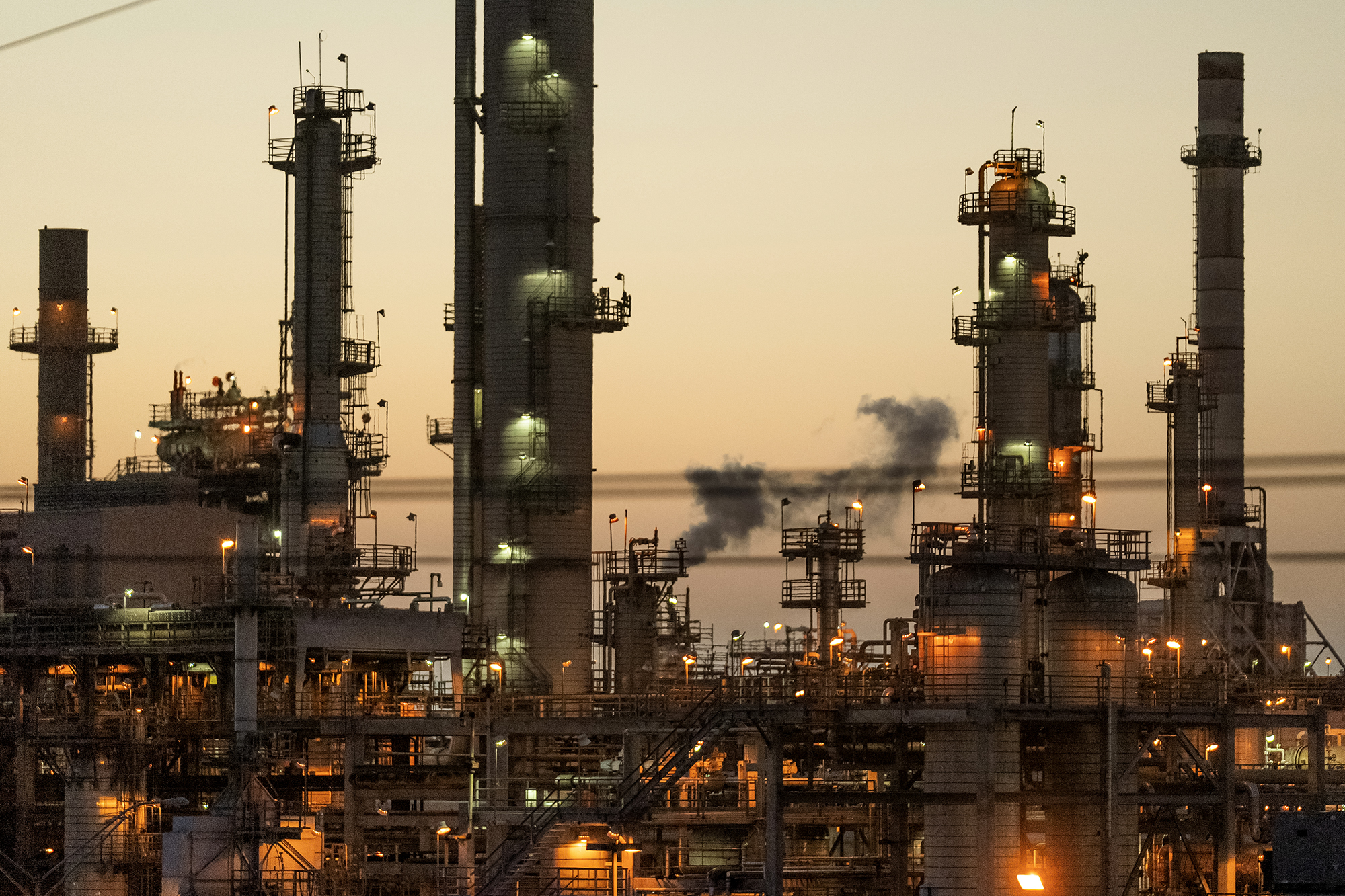
California air regulators on Friday approved a controversial overhaul of the state’s carbon market, creating a program that could channel billions of dollars in free pollution permits to oil refineries and other big polluters over the objections of environmental groups, key lawmakers and three board members.
Ten members of the California Air Resources Board voted to accept changes to its cap-and-trade program after two days of lengthy hearings, including a full day devoted to hundreds of public comments.
The overhaul followed intense lobbying by the oil industry as well as a push by Gov. Gavin Newsom’s administration to help keep refineries operating in the state amid rising gas prices.
The approval sets up a potential budget battle in Sacramento. The Legislative Analyst’s Office projected that quarterly auction revenue for state climate programs would drop from roughly $4 billion annually to about $2 billion under the new revision.
Such a shortfall would effectively eliminate the programs lawmakers spent last year fighting to fund: affordable housing, public transit, potable water in low-income communities and pollution monitoring in California’s most polluted neighborhoods.
The governor’s office praised the measure as a compromise that balances economic uncertainty with the state’s climate goals. Refinery shutdowns and the war between Iran and Israel have pushed average gas prices in California above $6 a gallon.
Newsom, in a statement, used the moment to contrast President Donald Trump.
“While Trump sows continued chaos and uncertainty, California remains focused by protecting our economy, protecting public health and doubling down on the clean energy future that all Californians deserve,” he said.
Environmentalists have warned that the changes to the program amount to a handout to the fossil fuel industry, weakening California’s only program setting a hard cap on greenhouse gas emissions.
Katelyn Roedner Sutter, California senior director of the Environmental Defense Fund, called the decision “deeply flawed” for prioritizing polluters over communities.
“Newsom’s air regulators are giving billions to oil executives at the expense of our climate, health and affordability for working families in a rushed process that has stripped away meaningful public participation,” said Bahram Fazeli, policy director at Communities for a Better Environment.
California’s 13-year-old carbon market forces major polluters to buy permits as the state lowers the overall cap each year. Friday’s vote would cut those permits — and create a new subsidy program carved out of the market.
The program, which is still subject to change, could make a new set of free pollution permits available to industry, valued at as much as $4 billion. Companies that pledge to invest in clean energy and efficiency can qualify for permits in exchange for clean energy investments.
The pool would be capped at 118.3 million permits — the same number the Air Board says must exit the market for California to meet its climate goal by 2030. Environmentalists say the proposal risks wiping out those reductions.
Half are reserved for the fossil fuel sector. A recent Berkeley analysis by the chairman of an independent commission that oversees the carbon market found that refiners could end up with more free permits than they need to cover their emissions.
Air board has protected the design. Officials say the credits will only go to companies undertaking decarbonisation projects, will be limited and temporary and can be withdrawn if companies misuse them. The plan, they say, is intended to keep California refineries running at a time of increasing shutdowns and global market pressure. Air regulators say the amended program will spur investment in clean energy as Trump cuts federal support.
This article was originally published on CalMatters and is republished under Creative Commons Attribution-NonCommercial-No Derivatives license.


