Physical Address
304 North Cardinal St.
Dorchester Center, MA 02124
Physical Address
304 North Cardinal St.
Dorchester Center, MA 02124
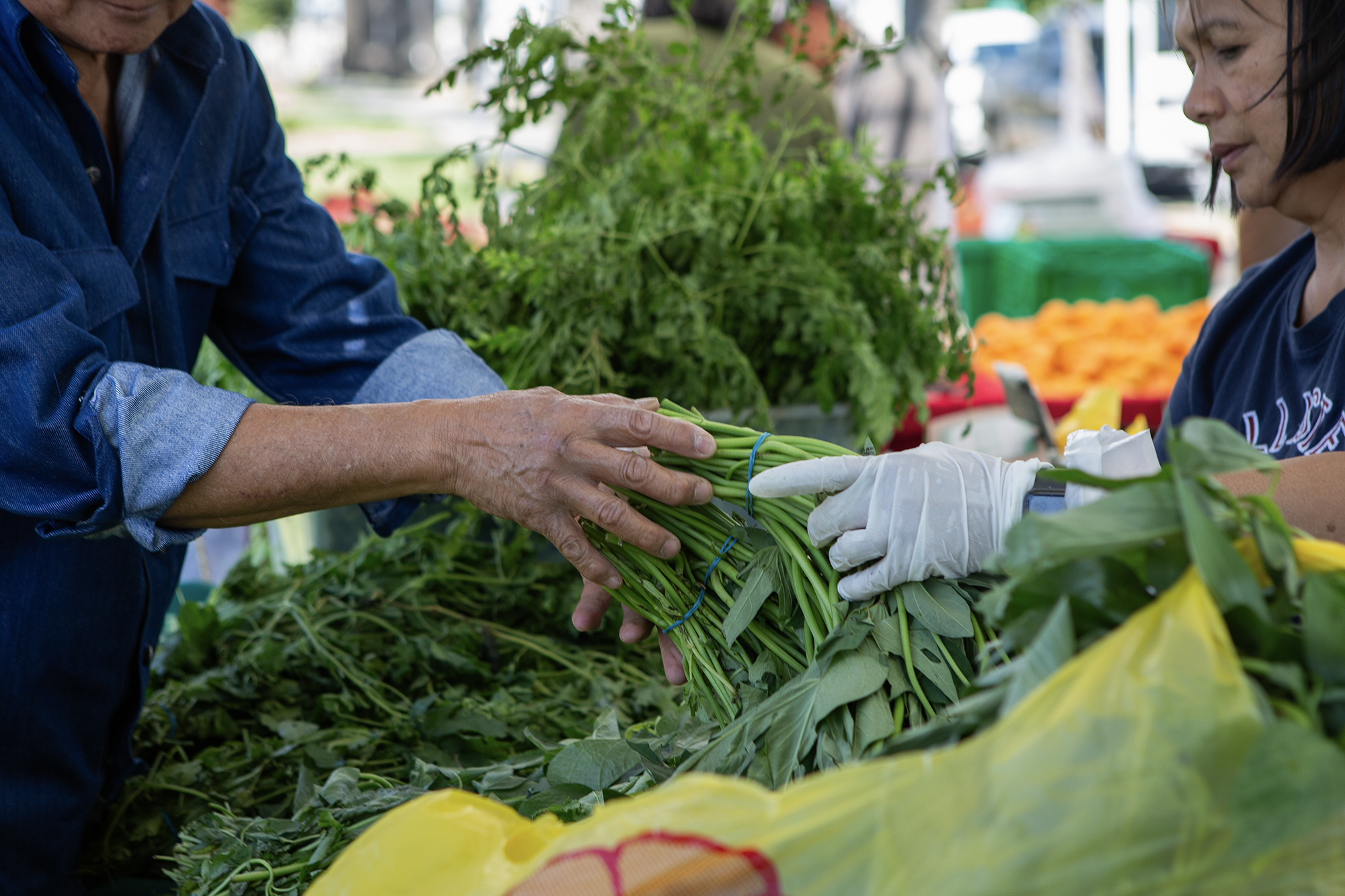
By Yadira Mendiola, especially for CalMatters

This comment was originally posted by CalMatters. Sign up for their newsletters.
Guest Comment written by
I am a farmer for life. I used to work in conventional agriculturebut in 2019 I took a risk with an educational program to learn organic farming. I graduated and rented a half acre of land in Salinas. I have grown organic strawberries, lettuce, celery, onions, tomatoes, broccoli, carrots and cabbage. Today my operation is 27 acres.
Organic farming is expensive because it requires extra labor instead of pesticides and fertilizers. I am proud to have overcome many obstacles to serve my community with healthy, organic fruits and vegetables.
My farm is a business, a passion and a family legacy. Like me, my oldest son, who graduated from UC Santa Cruz, was determined to expand organic farming. He died in a car accident last year. My younger teenage sons are now involved and enthusiastic to continue the work.
Through it all, my organic farm has provided purpose for me and my family.
In recent years, I have continued to grow thanks to the federal Local Food Purchasing Assistance Agreement (LFPA) program. It funds state and tribal purchases of locally grown food to support local producers and serve nutrition programs such as food banks.
The program provided me with what I needed to survive and thrive—a steady weekly income. With the program, I knew I would sell a certain amount of produce each week. I was able to take risks, such as growing more types of crops, creating a direct connection with a school district, and hiring more workers.
I am just one success story from the program. Most LFPA producers are like me: people of color, immigrants, and women. We come from places where many people live poverty and deal with health problems. Across California, the program has reached more than 850 growers and food centers.
Here is one of the best parts of my experience: Every week a church fills boxes with produce from my farm and distributes the food to children, parents and elders. Many of my neighbors work on farms, but often can’t afford to buy the food they help grow. The program gives them the opportunity to eat my healthy organic fruits and vegetables.
Across the country, more than 50 food banks and community organizations buy more than $55 million worth of California-grown food directly from small growers like me and distribute it to local communities like mine.
My family business grew because of the program. It created a wide circle of kindness around my community. Families who receive my produce spend less money and eat more nutritious, organic food. Now they have more money to spend in other businesses here in Watsonville. The same successes have been achieved throughout California.
The program was originally partially funded through 2028. But in 2025, the federal government cut those funds. Some of his contracts have expired. Mine will run out in a few months.
With so many rising costs and so many buyers downsizing, I worry about losing business connections. And I’m worried that the operation I’ve been building for years may not survive.
I also worry about my neighbors who have been getting my organic fruits and vegetables from the church that they will eat less healthy food and may go hungry.
The federal government has failed small producers like me. But the state has the chance to be our champion.
Assemblywoman Gayle Pellerin of the Central Coast and state Sen. Melissa Hurtado of the Central Valley called on California to fill federal funding cuts in the state budget. They asked for $45 million in the general fund to fulfill the original LFPA commitment through 2028 and fulfill future contracts that I and many other manufacturers had already planned.
Politicians often say that small businesses are the “backbone of the economy.” My small farming business, like hundreds across California, is more than that; it makes my community healthier and stronger.
This article was originally published on CalMatters and is republished under Creative Commons Attribution-NonCommercial-No Derivatives license.