Physical Address
304 North Cardinal St.
Dorchester Center, MA 02124
Physical Address
304 North Cardinal St.
Dorchester Center, MA 02124
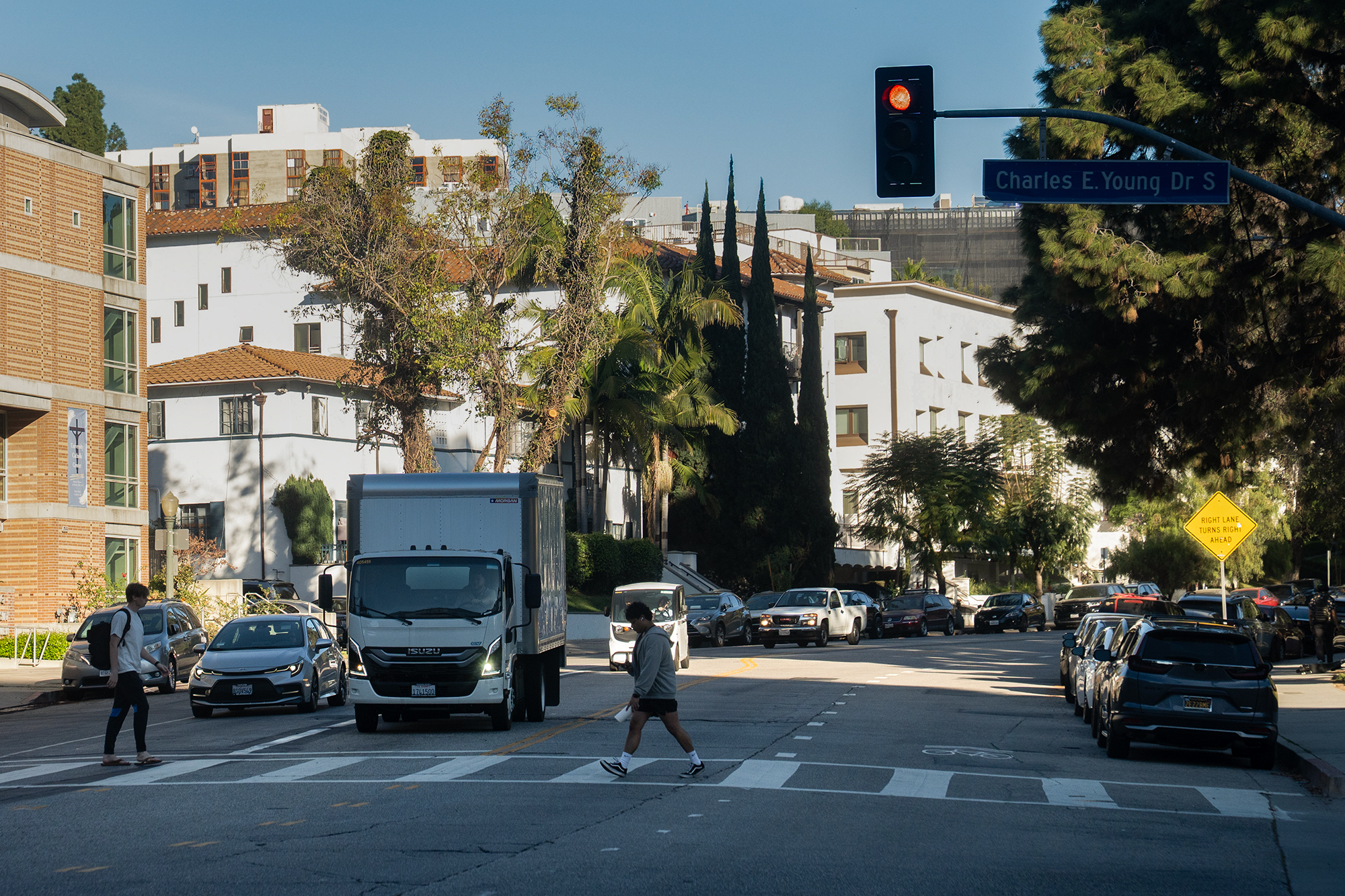
from Alejandra Reyes-VelardeCalMatters

This story was originally published by CalMatters. Sign up for their newsletters.
California’s hazardous waste regulator added hundreds of pages of federal traffic accident reports to a rulemaking record — then gave the public a broken link to access them and directed anyone who wanted to read them to submit a public records request.
Documents obtained by Earthjustice through such a request and shared with CalMatters detail years of incidents involving hazardous materials on public roads — including crashes, spills and other incidents.
The reports were added to the record for a proposed rule that would make it easier for companies to transport hazardous waste on public roads between properties they own — without certain tracking and documentation requirements currently required by state law.
The Department of Toxic Substances Control said it added the documents because Earthjustice had referred to them in previous comments and the department found them valuable. A department spokesman said the agency follows state law and encourages public participation.
DTSC’s decision not to post the documents on its website may not be illegal, but it is out of step with how agencies typically handle public comment periods, one administrative law expert said.
Last year, state hazardous waste regulators proposed a rule that would make it easier for companies to transport hazardous waste on public roads between properties they own. The rule drew criticism from environmental advocates, who questioned the need for the exemption.
Regulators said they are updating California’s rule to match less stringent federal regulations which allow companies to transport hazardous waste without certain tracking requirements when moving the waste within their property but on public roads.

The exemption will help major universities, including the UC system, transfer hazardous waste with less paperwork from research labs to campus storage before the waste moves off-site. Tesla and Pacific Gas & Electric Company also wrote to the department in support of the rule.
Environmental advocates with Earthjustice said they don’t think the benefits to universities and other businesses are a good reason to loosen the rules, and fear the move signals a broader strategy to loosen regulations as a way to manage the state’s growing waste problem.
“Once someone picks up a box, barrel or container of hazardous waste and puts it on a truck, you want to know that it’s been tracked,” said Earthjustice attorney Angela Johnson Mezaros. “Because once he’s on the truck, anything can happen to him.”
DTSC did not make any of the documents public on its website. Instead, the department offered a broken link to the documents and directed the public to file a formal request under the California Public Records Act, a process that can take weeks or even months to yield records.
In a letter to the department, several environmental groups, including East Yard Communities for Environmental Justice, the Center for Environmental Health and the Clean Air Coalition, said the added documents actually undermine the case for the proposed rule — what the letter calls a “clear exception” to the tracking requirements.
“DTSC’s Notice of Additional Information and the documents referenced therein do not support DTSC’s proposal and only highlight the deficiencies in this rulemaking,” the letter states. “Nowhere in the notice or any other document on the rulemaking website does DTSC explain what it believes this additional information means, let alone how it will support adoption of the manifest exception.”
Alyssa Pakidis, a spokeswoman for the department, declined to say why the department considered the documents valuable or how they support the proposed rule.
The comment period for the rule, including the attached documents, officially closed on February 17. CalMatters requested the additional documents from DTSC on February 25. On March 6, department officials said they would provide the records on or before April 1. CalMatters still had not received the documents as of March 24, more than 15 business days later.
Earthjustice asked the department to upload the documents to its website so they are readily available to people who want to comment on the rule based on the entire record. “DTSC respectfully declines your request to upload the rulemaking file to its website,” a department official wrote in an email reviewed by CalMatters. California code requirements, the official said, “do not include posting such files on an agency website.”
Dave Owen, a professor of administrative law at UC Law San Francisco, said state administrative laws do not require DTSC to post the documents online, but that state agencies often do more than the minimum to ensure the public has access.
“In general, with public comment periods, there are often norms that go beyond the requirements of specific laws, and there’s certainly a norm of trying to give people access and give people time to respond,” he said.

Beyond their criticism of the rule itself, advocates said the DTSC’s handling of this and other public comment processes shows a disregard for community input.
“It’s confusing that they’re creating these additional obstacles to efforts to understand the agency’s decisions and understand how they think they support those decisions when we really know that the work that DTSC is responsible for has a really significant impact on real people,” Johnson Mezaros said.
Documents added by DTSC to its rulemaking record include a brief email exchange between officials from the US Department of Transportation and DTSC, along with hundreds of pages of reports detailing traffic accidents involving hazardous waste.
In one incident described in the documents, a drunk driver caused a crash that sent a tanker truck off the road and into a ditch. The truck ran out of fuel three hours before a cleanup crew arrived. The crew used sand and oil absorbents to absorb the fuel and prevent the gas from seeping into the ground.
In another incident, a driver transporting nitric acid from Phibro-Tech, a toxic waste recycling company based in Santa Fe Springs, failed to make sure the tank was properly secured before driving.
“Nitric acid sprayed out of the tank when he hit the brakes hard on I-10,” the document said. “Some spilled onto the ground and others touched a few cars that were passing by.”
These types of accidents, Johnson Mezaros said, highlight the dangers of transporting hazardous waste on the road, where it can come into contact with other drivers or pedestrians. The department must keep people safe by documenting where there is hazardous waste at every turn.
“How is it that you’re making people safer by removing the visibility of moving hazardous waste?” she said.
This article was originally published on CalMatters and is republished under Creative Commons Attribution-NonCommercial-No Derivatives license.