Physical Address
304 North Cardinal St.
Dorchester Center, MA 02124
Physical Address
304 North Cardinal St.
Dorchester Center, MA 02124
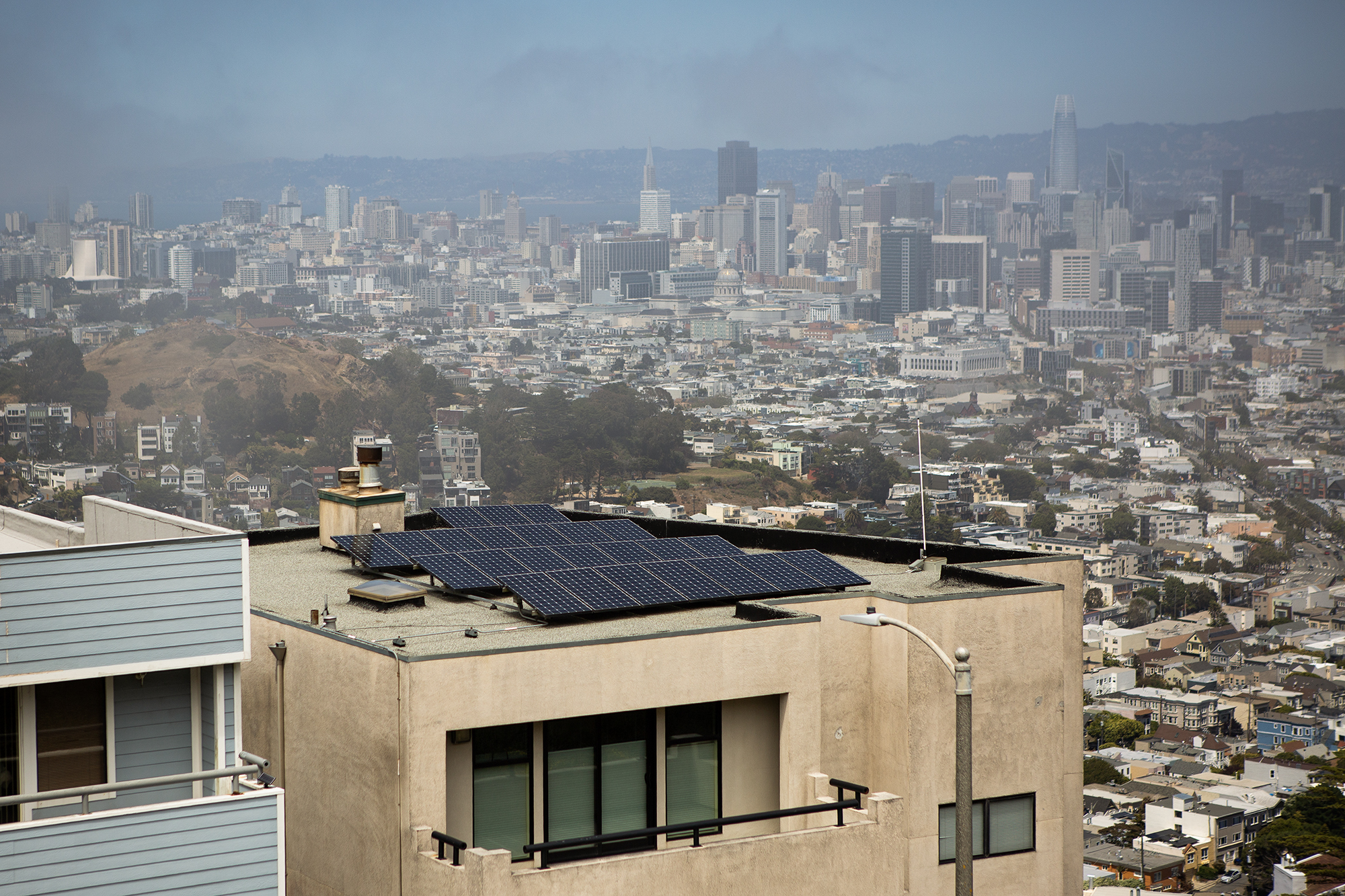
from Malena CaroloCalMatters

This story was originally published by CalMatters. Sign up for their newsletters.
A California appeals court this week sided with state utility regulators in a case seen as pivotal to the spread of rooftop solar in California.
Three appeals court judges ruled that the California Public Utilities Commission has the right to reduce the rate utilities pay customers for excess energy generated by customers’ solar panels.
Environmentalists who filed the case say the ruling will exacerbate California’s energy affordability crisis. Regulators believe that justifies the decision they made “to ensure that rooftop solar programs remain fair, sustainable and consistent with California’s clean energy goals,” CPUC spokesman Terry Prosper said Tuesday.
The case centered on the state’s “net metering” program, which governs how much solar customers are paid for excess power from their panels. Earlier versions of the program guaranteed customers the retail price, which is how much utilities charge other customers when they resell the energy.
But a 2022 commission decision cut that payment by about 75%. The commission’s ruling supported the utilities’ position, which was that those with rooftop panels do not pay their fair share of costs such as grid maintenance, shifting the costs disproportionately to non-solar customers. The decision led to a significant drop in the number of new customers signing up for rooftop solar.
Advocacy groups sued the decision, including the Center for Biological Diversity, the Protect our Communities Foundation and the Environmental Working Group. They argued that commissioners did not properly consider the benefits to disadvantaged communities and customers of having local energy generation.
The case went to an appeals court, which applied, in a ruling on the side of the commissioners, a legal standard that afforded them considerable deference. Then the California Supreme Court made a unanimous decision last August that the lower court should not have applied that standard and should have delved deeper into the merits of the arguments.
Roger Lynn, a senior attorney at the Center for Biological Diversity, said this week’s decision was “disappointing” and the groups were “evaluating all of our options.” They can appeal again to the state Supreme Court.
“The whole reason the utilities created the ‘cost-shifting’ narrative was to preserve their profits,” Lynn said. Under state law, utilities can earn a return on anything they build, which amounts to hundreds of millions of ratepayer dollars each year. They can’t earn that return on customers’ rooftop solar.
The decision comes amid renewed attention to California’s energy affordability crisis. Residents of the Golden State pay the second-highest energy rates in the country after Hawaii, according to the U.S. Energy Information Administration.
Ratepayers regularly admonish state utility regulators about their high bills at public meetings. And Gov. Gavin Newsom rclearly announced an impending change to the head of the Utilities Commission as part of a move to focus on bill affordability.
This article was originally published on CalMatters and is republished under Creative Commons Attribution-NonCommercial-No Derivatives license.


