Physical Address
304 North Cardinal St.
Dorchester Center, MA 02124
Physical Address
304 North Cardinal St.
Dorchester Center, MA 02124
from Dan WaltersCalMatters
This comment was originally posted by CalMatters. Sign up for their newsletters.
This year, California voters will elect a new governor, fill other state offices, elect 100 state legislators and 52 members of Congress, and weigh an array of complex ballot measures.
Meanwhile, officials in the state’s largest urban centers, Los Angeles County and the San Francisco Bay Area, will test voters’ appetite for sales tax rate hikes — now among the highest in the nation— to levels never before seen in California.
Los Angeles officials are urging voters in the June primary to add another half percentage point to rates that already exceed 10 percent in most of the county’s cities, raising money to offset cuts in federal health care spending.
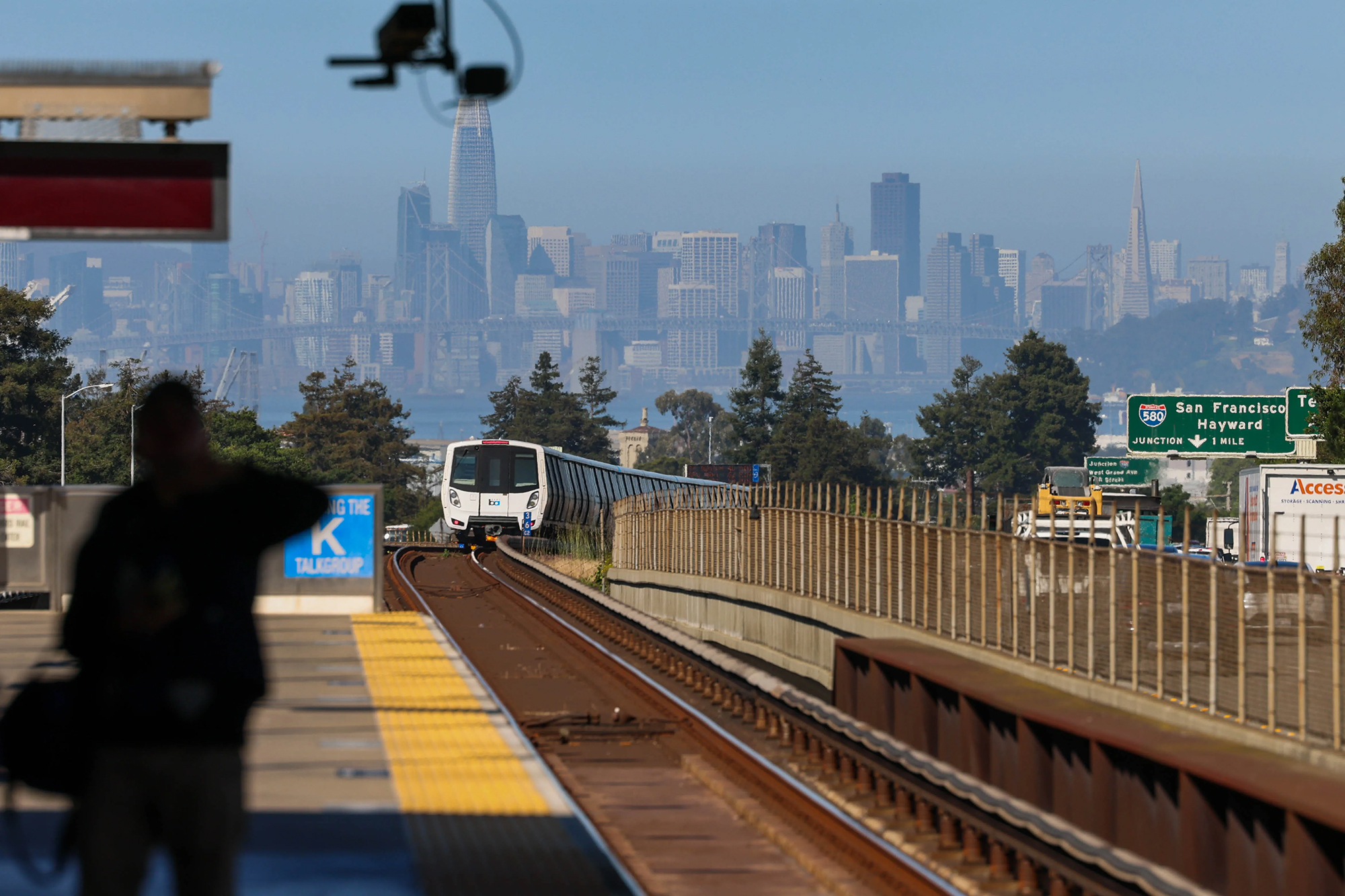
Voters in four Bay Area counties will decide in November whether to add another half-percentage point, while those in San Francisco will be asked for a full percentage — all to address operating deficits for the Bay Area’s rapid transit system and local bus and trolley services.
They are the latest in a series of increases that effectively gutted a state law limiting local surtaxes to 2 percentage points above the state rate of 7.25 percent. Local officials seeking to exceed that limit routinely ask the Legislature to grant an exemption and they are approved routinely.
California consumers spend about $1 trillion a year on taxable goods, and the statewide rate of 7.25 percent — the highest of any state — generates more than $70 billion a year, roughly half of which goes into the state’s general budget and the rest is distributed among cities, counties and special districts.
When local additional taxes are added, California’s sales tax rate averages 8.99%according to the Tax Foundation, or seventh highest of any state. With local rates, the range is as high as 11.25% in some Los Angeles County cities.
The sales tax increases being sought this year are not without controversy.
Los Angeles County Executive Holly Mitchell, who is leading the effort to increase the health care tax, said it is needed to make up for the loss of $2.4 billion in federal aid over the next three years. But there is drew opposition from the California Association of Contract Citieswhose members receive services from county governments under contract.
There are 73 contract cities in Los Angeles County, and the association’s executive director, Marcel Rodarte, told supervisors in a letter that adding half a percentage point to the county’s overall tax rate could thwart efforts by cities to raise their rates. “The cities said if we wanted to do our own sales tax (increase) measure, it would make it difficult for the cities,” Rodarte said.
Meanwhile, Bay Area Transit Tax Measure renews a long-running dispute over whether BART and other transit systems are too beholden to their unions and have refused to adjust to reduced ridership that began during the COVID-19 pandemic.
Governor Gavin Newsom and the Legislature gave the systems to the Bay Area $590 million loan to avoid big cuts to services, but they can’t use the money unless voters agree to raise taxes by about $980 million a year.
Critics say transit officials are trying to scare voters into supporting the tax increase by describing doomsday effects if they don’t support the measure.
Bay Area News Group columnist Daniel Borenstein wrote recently“We can’t continue to put Band-Aids on the region’s transportation funding problems. The request for loans to cover current operating costs stems from a failure to right-size operations to meet post-pandemic demand. That’s especially true for BART, which is threatening voters with station closures if a sales tax measure doesn’t pass in November. It doesn’t matter that BART is carrying less than half as many passengers as it did before the pandemic, while providing more train services. It’s crazy.”
This article was originally published on CalMatters and is republished under Creative Commons Attribution-NonCommercial-No Derivatives license.


