Physical Address
304 North Cardinal St.
Dorchester Center, MA 02124
Physical Address
304 North Cardinal St.
Dorchester Center, MA 02124
from Alejandro LazoCalMatters

This story was originally published by CalMatters. Sign up for their newsletters.
The Trump administration formally repealed the legal basis for federal climate policy on Thursday — creating a new front in California’s long-running battle with Washington over emissions rules.
“Today, the Trump EPA finalized the largest act of deregulation in the history of the United States of America,” EPA Administrator Lee Zeldin said at a White House news conference. “Called by some the holy grail of federal regulatory overreach, the Obama EPA’s 2009 endangerment finding has now been lifted.”
After the US Supreme Court ruled that the federal government could regulate greenhouse gases if they were found to threaten public health, the US Environmental Protection Agency issued a scientific ruling that greenhouse gases were indeed a threat. By withdrawing its own so-called “endangerment finding,” the EPA is abandoning its rationale for federal exhaust standards, power plant rules and fuel economy regulations.
California opposed the withdrawal of the endangerment finding when it was proposed last year and is expected to file a lawsuit over the ruling.
California Air Resources Board Executive Director Steven Cliff testifies at the time this move ignored established science.
“Thousands of scientists around the world are not wrong,” Cliff said in his testimony. “In this proposal, the EPA is denying reality and telling every victim of climate-induced fires and floods not to believe what is right in front of their eyes.”
Gov. Gavin Newsom said in a statement Thursday that California will take the Trump administration to court over the decision.
“Donald Trump may put corporate greed before communities and families, but California will not be left out,” Newsom said. “We will continue to lead because the lives and livelihoods of our people depend on it.”
Other states and environmental groups have also indicated they may sue. They include Massachusetts, which was part of a coalition of states that sued to force the federal government to curb greenhouse gases nearly two decades ago.
Eliminating the federal basis for regulating greenhouse gases will not stop California’s climate policies, most of which — from California’s market-based approach to reducing carbon pollution to clean energy mandates for utilities — are based on state law.
In fact, the ruling could open the door for California to set its own greenhouse gas standards for vehicles, a possibility that lawmakers and regulators are actively weighing.
The reversal in federal policy could also undermine arguments that the federal law blocks state lawsuits against oil companies and bolster interest in expanding California’s authority over planet-warming pollution within its borders.
Anne Carlson, a law professor at UCLA and a former federal transportation official, argued that aggressive federal action on climate policy “could ironically give states power they’ve never had before.”
Writing in the Environmental Forum legal journal, Carlson theorized that California could try to regulate greenhouse gas emissions from cars and trucks directly under state law.

Federal law prevents most states from setting local vehicle emissions standards; Through a series of waivers granted under the federal Clean Air Act, California has been authorized to impose stricter standards by the federal government.
That could help California’s efforts “in the long run,” Carlson wrote in an email Wednesday, “but of course withdrawing the United States from all efforts to address climate change is a terrible move. We must lead the global effort, not retreat.”
In California, where cars and trucks account for more than a third of the state’s greenhouse gas emissions, California air board regulators and lawmakers are weighing in. Asked last year by CalMatters whether the air board would consider writing its own rules, Chairman Lauren Sanchez said, “Right now, all options are on the table.”
“It’s definitely a conversation,” MP Coty Petrie-Norrisan Irvine Democrat, said during a news conference Wednesday held by California Voters for the Environment. “So stay tuned.”
If Washington formally exits the realm of carbon regulation, states may argue that they have greater leeway to pursue liability claims related to the costs of wildfires and other climate impacts, experts said.
California has sued major oil companies as recently as 2023, in an effort to hold them accountable for climate impacts. Oil companies often cite federal oversight as a reason to dismiss lawsuits against them over climate damage.
“California is struggling with the costs of wildfires, for example, which are closely related to a warming climate,” said Ethan Elkind, an expert on climate law at the University of California, Berkeley. “I think that opens up a lot of legal avenues for states like California.”
The federal withdrawal prompted lawmakers to consider expanding the Air Resources Board’s authority.
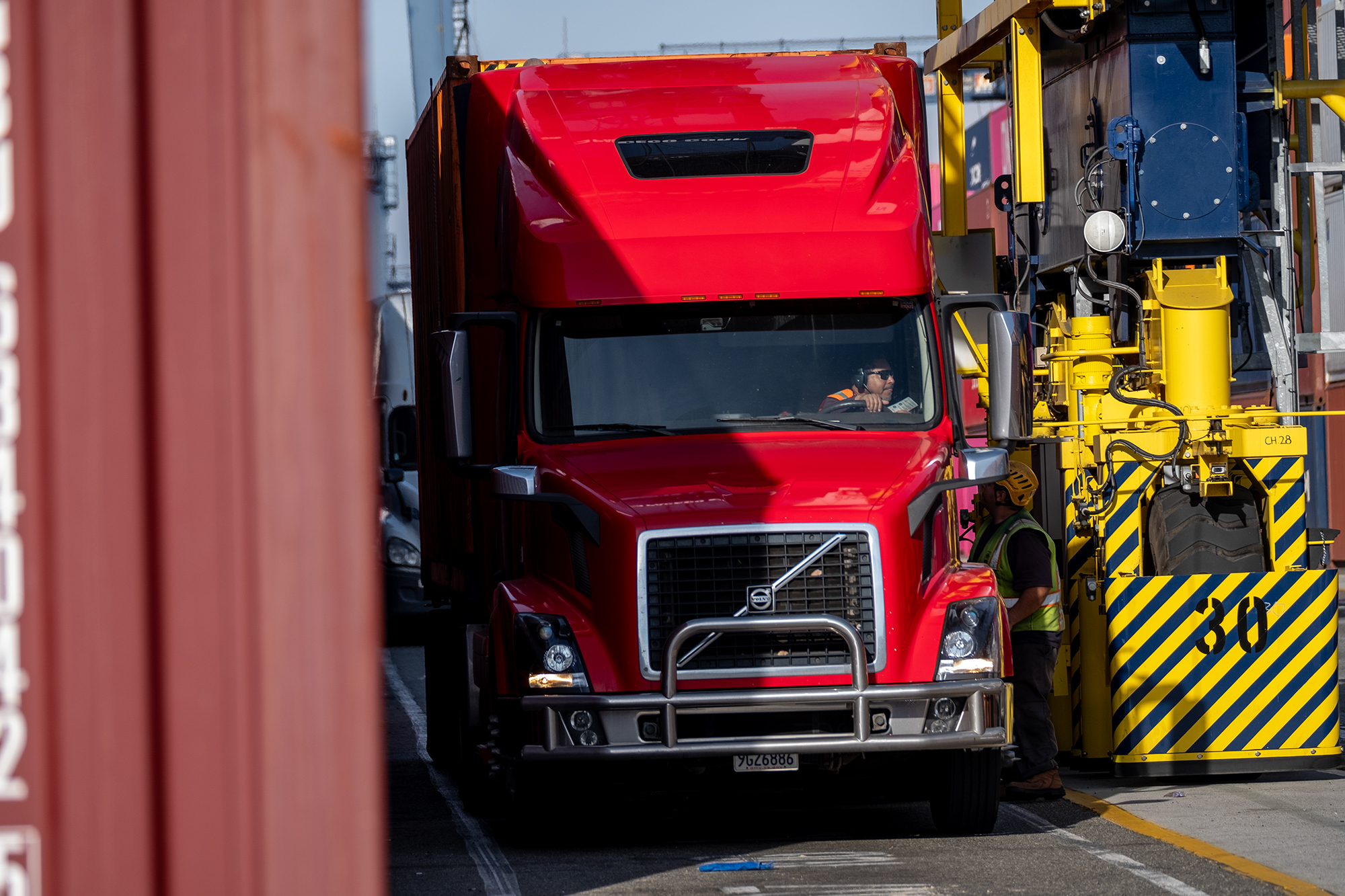
MP Robert GarciaDemocrat from Rancho Cucamonga, introduced this week account aimed at asserting the state’s power to limit pollution from large facilities that generate heavy truck traffic, such as warehouses and ports, that concentrate diesel fumes in nearby communities.
“It’s no secret that the federal government and California don’t see eye to eye — we’re not on the same page,” Garcia said at Wednesday’s news conference. “This is an opportunity for our state, for California, to step in.”
This article was originally published on CalMatters and is republished under Creative Commons Attribution-NonCommercial-No Derivatives license.