Physical Address
304 North Cardinal St.
Dorchester Center, MA 02124
Physical Address
304 North Cardinal St.
Dorchester Center, MA 02124
Can artificial intelligence help medical professionals treatment of California’s homeless population? Or will the technology open a can of worms that critics say could do more harm than good?
As Marisa Kendall of CalMatters explains, Los Angeles-based Akido Labs plans to use an AI model it developed on homeless patients next month in the Bay Area. Akido, a healthcare technology company, has developed Scope AI, a tool that aims to increase access to healthcare for homeless people.
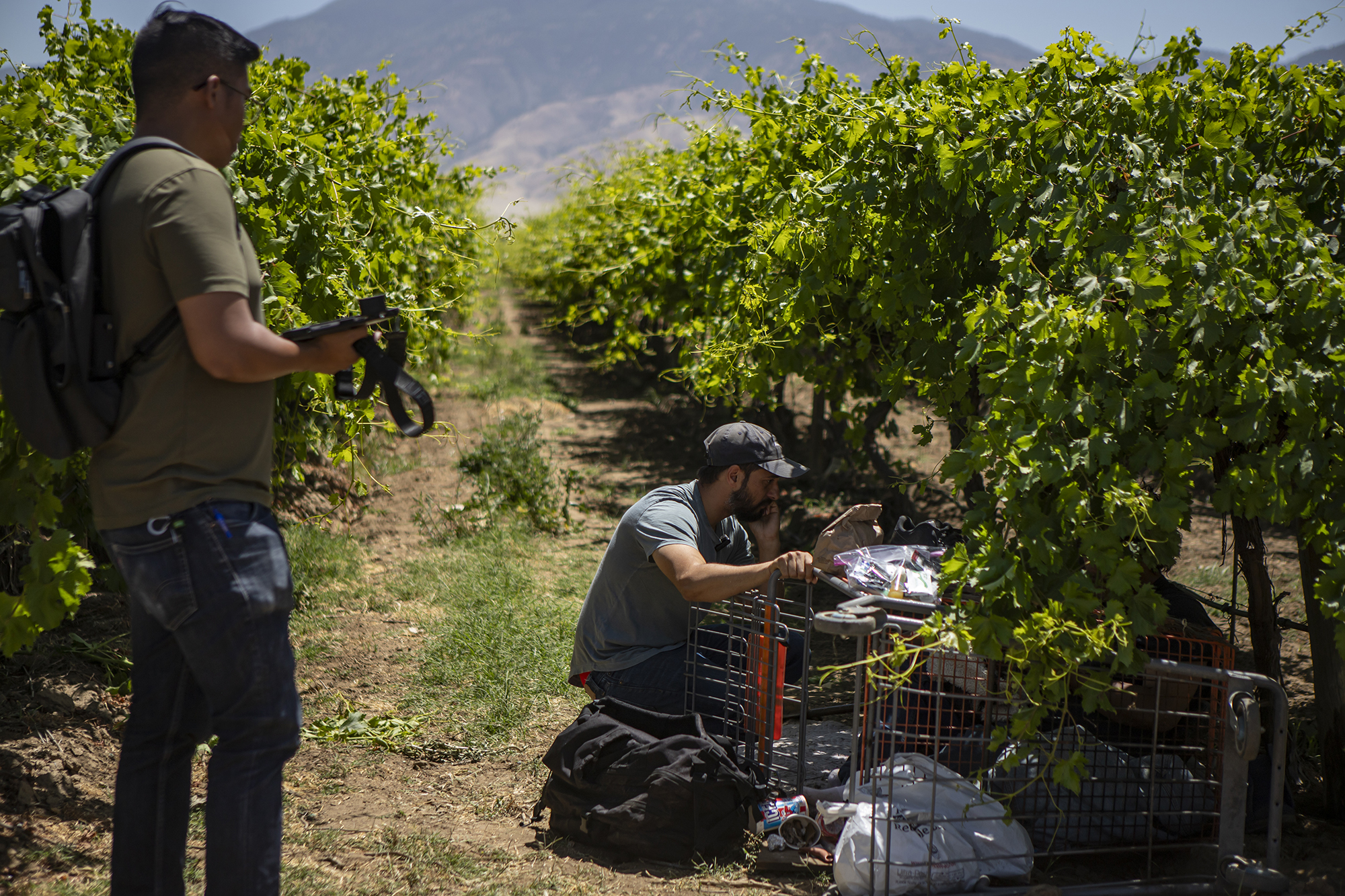
Scope assists non-medically trained outreach workers in initiating the intake and diagnosis process with homeless patients. The tool generates questions that workers ask patients and listens, records and transcribes the interview. Scope then offers diagnoses, medical tests and medications.
The information is then sent to a human doctor who reviews the interaction and can accept Scope’s drug suggestions or make changes. In more complicated cases, doctors can organize an examination of the patient themselves.
As early as 2023, Aikido outreach workers were using Scope in homeless camps in Los Angeles County, where it has since seen more than 5,000 patients. Scope lands on the right diagnoses in its top three suggestions 99 percent of the time, according to Akido, and street medicine doctors in Los Angeles and Kern counties have increased their caseloads from roughly 200 homeless patients at a time to 350 since implementing Scope.
But critics have concerns about AI’s reliability, how it could put patient data at risk, and how it could increase bias. AI is more likely, for example, to misdiagnose breast cancer in black women than in white women, according to a 2024 study.
Due to their increased vulnerability and unique circumstances, homeless patients may also not be treated as accurately by AI compared to a healthcare provider. A patient with scabies, for example, would typically be prescribed a special shampoo or body wash, said Brett Feldman, founder of USC Street Medicine. But for a homeless person who doesn’t have regular access to a bathroom, an oral medication may be necessary. Will AI know how to flag this detail?

