Physical Address
304 North Cardinal St.
Dorchester Center, MA 02124
Physical Address
304 North Cardinal St.
Dorchester Center, MA 02124
from Dan WaltersCalMatters

This comment was originally posted by CalMatters. Sign up for their newsletters.
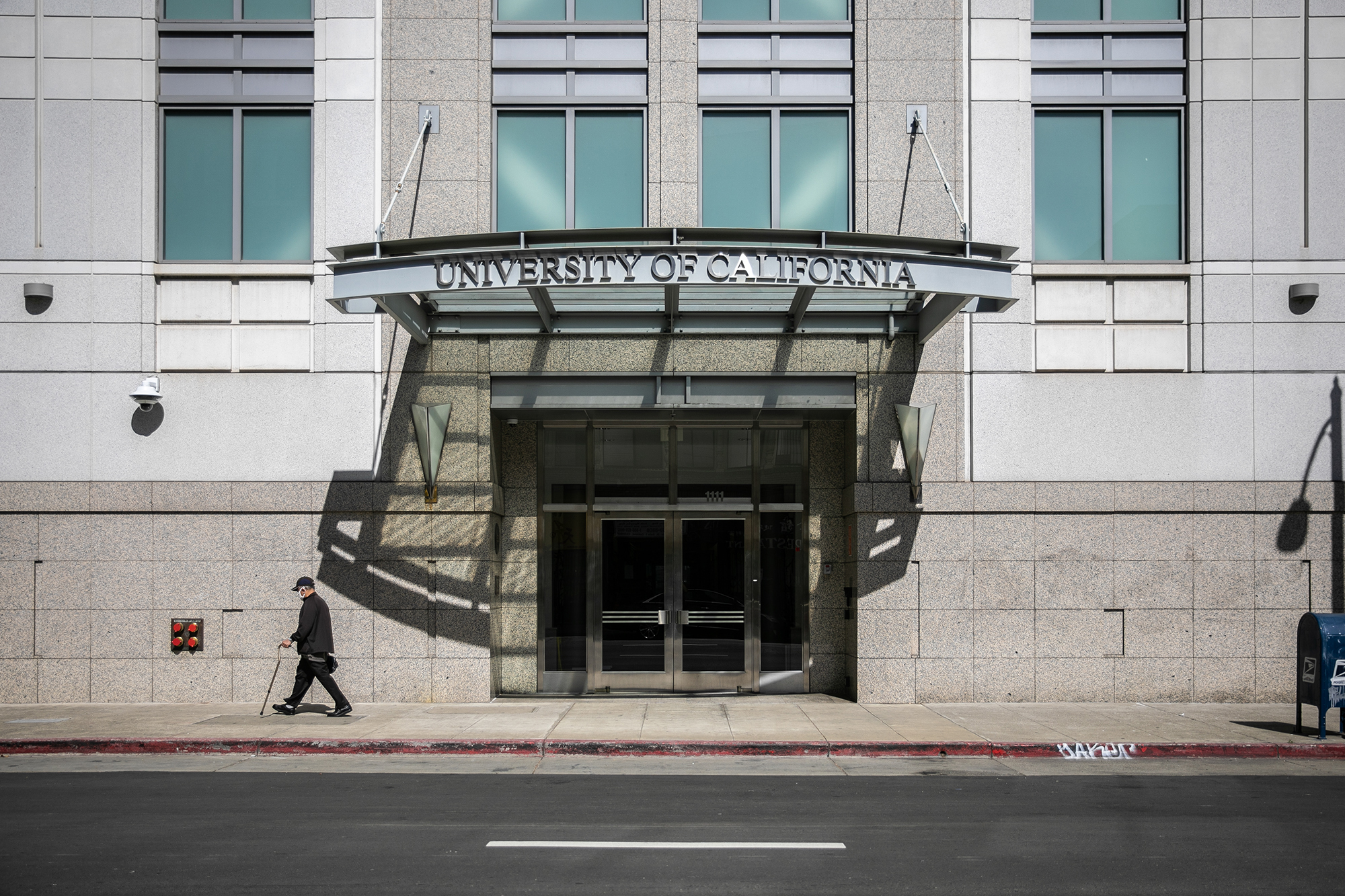
The University of California is one of the world’s most prestigious centers for higher education and cutting-edge medical, technological and social research.
Its faculty and administrative staff are supposed to be filled with highly intelligent people. Nonetheless, UC has succumbed to a management disease that has affected other corners of state government—the chronic inability to successfully adopt information technology.
The state has spent billions of dollars on high-tech projects designed to make state agencies more efficient and responsive. But these efforts have either failed completelyworked only partially or could not meet the deadlines for implementation.
The syndrome has affected many agencies. The most obvious example is California Financial Information Systemwith the catchy acronym of FI$Cal.
It was supposed to be a one-stop financial management tool. But since FI$Cal started in 2005, it has absorbed more than a billion dollars and likely won’t be finished until sometime in the next decade.
It’s a bureaucratic zombie, not quite alive but not quite dead.
UC’s attempt to improve its pension system reflects this experience. As described in the Politico articlewebsite dedicated to politics:
“In April 2019, the University of California unveiled a new computer program that school officials promised would overhaul its cumbersome, outdated system for paying out pension payments to more than 150,000 former employees.
“However, problems and bad data marred the launch, delaying payments and causing other problems. Now, six years later, the university is still embroiled in a bitter legal battle with the contractors it hired to build the system, alleging the companies repeatedly misled and defrauded the university.”
The companies said the allegations — and the university’s demand for tens of millions of dollars in damages — were baseless. One company called the protracted legal battle a “revenge crusade.”
UC operates its own pension system with more than $100 billion in assets, providing benefits to 151,000 former employees, ranging from retired university chancellors to former janitors.
Twelve years ago, UC officials awarded two companies, Sagitec Solutions and Linea Solutions, $28 million in contracts to upgrade the pension system’s aging computer system.
When the upgrade was tested half a decade later, chaos erupted. Pension payments were not made on time, pension calculations were riddled with errors, UC retirees peppered the system’s administration with complaints, and UC contractors and executives started pointing fingers at each other.
UC accused the vendors of shoddy work. Vendors complained that UC officials were muddying the waters with requests for multiple changes while the system was being installed. The dispute is still in court.
UC’s failed technology project follows the pattern of other troubled attempts to use information technology over the past few decades.
I once asked an acquaintance who sold computer software to government agencies why so many systems failed. He said bureaucrats often don’t know what they want and are rarely familiar with the technical capabilities, leading to misunderstandings about what will be done.
As the list of troubled projects began to pile up, the Legislature and the governor created California Department of Technology to oversee the implementation of technologies. Two years ago, however, State Auditor Grant Parks issued a sharply worded report on its shortcomings.
“CDT has broad responsibility and authority over nearly all aspects of IT (information technology) in the state, including providing strategic direction, assessing IT security and performing project oversight,” Parks told the Legislature. “However, he has failed to fulfill important responsibilities in these areas, resulting in significant consequences for the state.”
The beat continues.
This article was originally published on CalMatters and is republished under Creative Commons Attribution-NonCommercial-No Derivatives license.


