Physical Address
304 North Cardinal St.
Dorchester Center, MA 02124
Physical Address
304 North Cardinal St.
Dorchester Center, MA 02124

In summary
No two senior centers in California are the same. They are shaped by their neighborhoods with programs that range from fitness classes to meals, movie nights and more.
As Californians live longer, healthier and more productive lives, the desire for thriving senior activity centers seems more urgent than ever.
The role and function of the senior center will need to evolve and expand to meet growing demand. With 29 centers in the greater Los Angeles area, we visited several of them to see what today’s senior community hopes to find.
Here are five things we learned:

Centers that serve seniors in California are ultimately determined by the specific needs and available resources of their local communities. Racial demographics, public transportation options, and space constraints determine who attends the center and how services are administered.
In response to the federal Older Americans Act of 1965, California created 33 so-called regional agencies on aging, which help direct information, resources and funding to all 58 counties. Senior centers may be operated by cities, counties, or even some type of private or non-governmental partnership.
We observed a significant disparity in some of the senior centers in the Los Angeles area. From Lincoln Heights to Watts to Culver City, we saw significant differences in staffing, attendance and services.
Culver City boasts a well-designed and healthy center that serves a diverse population of seniors. Lincoln Heights and Watts operate in much smaller multi-purpose room spaces. Both featured programming that catered to the historic demographics of their neighborhoods, with Lincoln Heights emphasizing Latino events and Watts emphasizing the black community.

But regardless of the differences in available resources, every center we visited gave seniors an invaluable space to gather, socialize and participate in a shared community atmosphere.
Many of the older people we saw participating in senior center activities found their way there after experiencing the loss of a partner or spouse. Quickly making new social connections can be the best medicine for a bereavement.
The National Institutes of Health and others studies have documented a significant increase in mortality in people who have recently lost their partner. Within the first three months after the death of a spouse, and even in the months that follow, seniors are at a much higher risk of dying themselves.
In the three centers we visited, friendship, camaraderie and romantic pursuits seemed to be in full swing. The older people we observed — across the generational spectrum of 60- to 90-year-olds — were clearly taking life moment by moment.

“When we’re kids, we go to school, and that becomes our social world,” said Diane Stone, director of the National Council on Aging. “During our working lives, we have a social world with people we work with. We have these natural opportunities. And as you get older, you need the same things.”
The social energy we saw in senior centers included the desire to partner and find physical connection. Underscoring this dynamic, national numbers show a huge increase in rates of sexually transmitted infections among adults over 65 years of age.
“I don’t want to be light on this,” said California Department on Aging Director Susan DeMarois. “Building friendships, relationships — romantic or otherwise — is really important. A chosen family can be such a big part of caring.”
One consistent component was found to be true across all senior centers. Subsidized lunch programs have proven to be a huge channel for social engagement and daily attendance.
Free or low-cost meals often entice older adults to visit a center, mingle with peers, and see what other services might appeal to them. Activities scheduled just before and after lunch generally seem to attract the best attendance.

And although funding and support for other services varies widely, subsidized meal programs receive steady resources. Each of the centers we visited offered similar well-balanced food options provided by independent local non-profit organizations.
Very little quantifiable information is tracked about older people who visit and use services in senior centers. Handwritten entry lists—either for class or for meals—are often the only types of records kept.

Most centers serve a large number of generations, but there appears to be no data examining the percentage of participants who are 60, 70, 80, 90 or older.
Additionally, many community services for seniors can be provided in other spaces that are not designated senior centers. Public libraries, schools, and recreation centers also host classes, events, and meal programs to fill gaps where there may not be space specifically for seniors.
Different ethnic community centers also offer places for their elders to find resources specific to their culture and language. All this leads to a large number of small commercial establishments without a single-sided infrastructure.
There are limited academic studies and they are mostly based on data collected voluntarily studies or focus group sessions.
When looking for a breakdown of attendance by age group, ethnicity or gender, no information is available. The state keeps records of how many subsidized meals it provides at community facilities, but does not specify how many it serves specifically at senior centers.

Even senior centers with the best services face an uphill battle to pay for services and secure resources. Relying on a combination of federal, state and local funds, centers must additionally seek other opportunities such as private funding and donations.
“Senior centers really struggle with adequate funding and prioritizing funding for their operations,” Stone said. “Part of this may be the lack of data – demonstrating the impact of their services in the competition for scarce resources.”
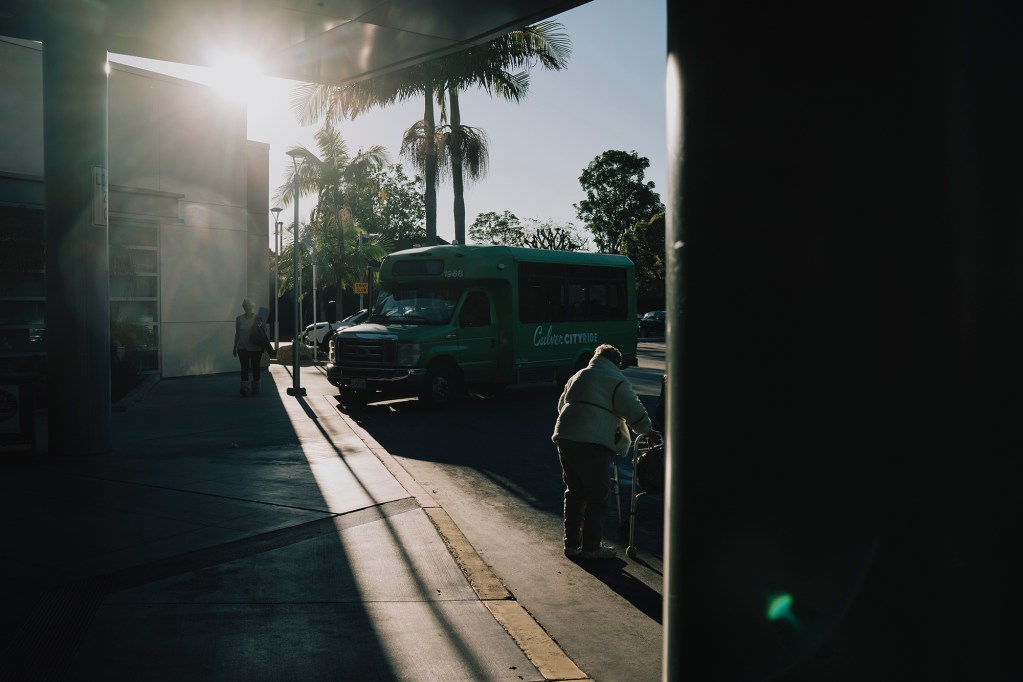
The Culver City Senior Center stands out as successful and thriving and draws visitors from miles around. Culver City is a small community of about 40,000 people with a high median household income of $117,000 – almost $30,000 more than the Los Angeles median income.
As its own enterprise, Culver serves its senior community well. The $20 annual membership for its nearly 4,000 members helps, as does the small voluntary fee for each person per class, meal or event. The gym has an additional annual fee of $125.

“Everything costs money here,” Tomasina del Rio Vicente said. “But it’s worth it.” She’s been going to the Culver Center three times a week for years and loves the $5 fitness classes, especially Zumba.
The California Department on Aging uses its resources to promote information and services throughout the state, but does not dictate what happens in senior centers.
“It’s important to have an ecosystem in any community that is made up of public, private and nonprofit partners,” Demarois said. “Bricks and mortar and keeping the lights on tends to fall as part of a city, a county, a nonprofit agency, a church group.
“Our role is with the programming that helps bring people into the centers so they’re vibrant environments with activities, art, music, dance, computer skills and food. We really help with the programming side, and that’s why it’s such a great public-private partnership.
Joe Garcia is a contributor to California Local News.
This story was co-produced by CalMatters and CatchLight as part of our mental health initiative.

